

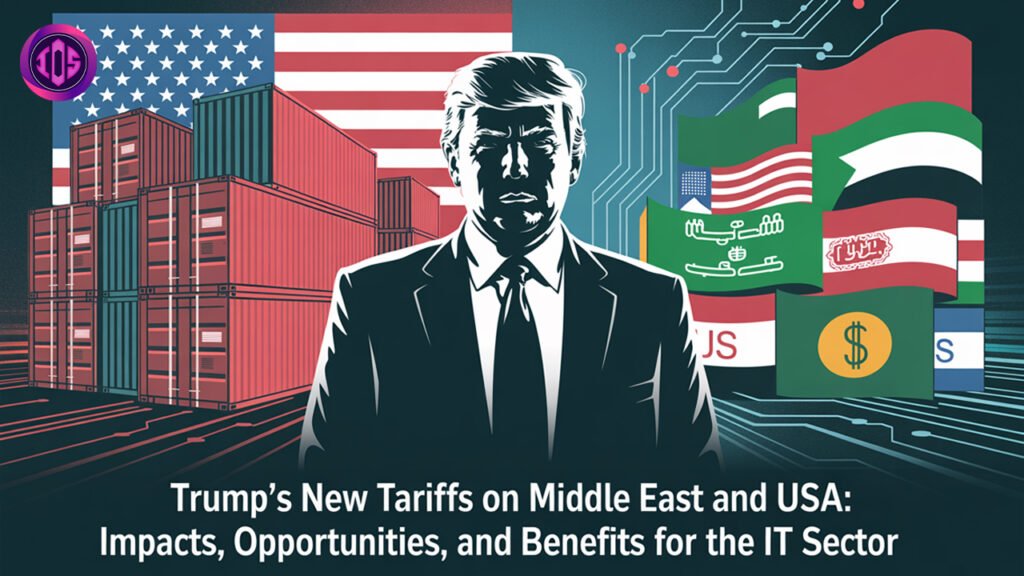
Introduction
What Are the Trump Tariffs?
The Trump tariffs refer to import duties imposed by the Trump administration on goods from various countries, aimed at addressing trade imbalances, encouraging domestic manufacturing, and achieving political or economic objectives. These tariffs have been a cornerstone of Trump’s “America First” trade policy, which seeks to reduce the U.S. trade deficit, bring manufacturing jobs back to the U.S., and pressure trading partners into more favorable trade agreements.
Understanding Trump’s Tariff Policy 2025
President Donald J. Trump’s administration has unveiled a transformative revised tariff structure, slashing Pakistan’s rate to a groundbreaking 19%, the lowest among Asian nations, down from the initial 29% set in April 2025. This adjustment, effective following the July 31 executive order and initially proposed on April 2, 2025, reflects ongoing negotiations under the “America First” policy. This blog dives deep into the multifaceted impacts on Pakistan’s economy, IT sector, and trade landscape, while spotlighting the exciting opportunities and lasting benefits this reduction unlocks. We’ll also compare Pakistan with regional players like India, Vietnam, and Thailand to gauge its competitive edge. Timed with the tariff’s launch at this early hour, this analysis offers a real-time lens on its immediate ramifications. As the global trade arena shifts rapidly, Pakistan’s strategic responses over the next months could redefine its economic destiny.

2. Evolution of Trump’s Country-Specific Tariffs: April to July 2025
President Donald J. Trump’s administration has adjusted country-specific tariffs from the initial April 2025 framework, effective following the July 31 executive order. These rates reflect ongoing trade negotiations under the “America First” policy. Below is an analysis focusing on the highlighted regions Middle East, India, Pakistan, and the USA along with their implications, particularly for the IT sector where relevant. The analysis incorporates data from both images, noting that some countries appear in one list but not the other, and assumes unlisted Middle Eastern FTA countries (e.g., Saudi Arabia, UAE, Jordan) retain the 10% baseline unless specified.
Updated Tariff Rates by Country
The new rates, compared to those announced in April 2025 and the 2024 trade balance, are as follows:
Syria: New rate 41% (from 41%), Trade balance -$9M (from first image). No change, reflecting minimal trade volume and geopolitical factors. IT hardware imports remain costly, with limited sector impact.
Iraq: New rate 35% (from 39%), Trade balance -$6B (from first image). A slight reduction, possibly due to oil negotiations, with minimal direct IT sector effect.
Israel: New rate 15% (from 17%), Trade balance -$7B (from second image). A decrease, likely due to FTA adjustments, preserving tariff-free IT services (18% GDP contribution).
Jordan: New rate 15% (from 20%), Trade balance -$1B (from second image). A reduction, reinforcing its FTA status and supporting tariff-free IT services (e.g., software development).
Saudi Arabia, UAE: Not listed, retain 10% baseline (FTA countries), Trade balance not specified. IT sectors (e.g., UAE’s AI, Saudi’s NEOM) benefit from stable hardware import costs.
India: New rate 25% (from 26%), Trade balance -$46B (from first image). A slight decrease, signaling trade talk progress, but IT hardware costs (e.g., semiconductors) remain elevated.
Pakistan: New rate 19% (from 29%), Trade balance -$3B (from first image). A significant reduction, likely from negotiations, lowering IT hardware costs and boosting software export competitiveness.
USA: As an imposing country, no tariffs apply to its own goods. The focus is on domestic IT manufacturing (e.g., TSMC’s Arizona plants), driving onshoring and job creation (50,000–100,000 by 2027).

Impacts of Trump’s Tariffs on Pakistan
Economic Impact: Boosting the Wallet?
The dramatic drop from 29% to 19% alleviates the financial strain on Pakistan’s import-heavy economy, which grappled with a -$3B trade deficit with the USA in 2024. This tariff cut slashes the cost of essential imported goods, offering a potential buffer against inflation, a pressing issue amid worldwide tariff escalations. The relief could ignite consumer spending and fuel industrial expansion, particularly in vibrant urban hubs like Karachi and Faisalabad. However, the true economic uplift depends on Pakistan harnessing this rate to amplify trade volume, necessitating bold government initiatives and streamlined policies. Small businesses, often operating on thin margins, may still face hurdles with lingering costs, and the broader economic surge relies on securing additional trade agreements to mitigate global supply chain volatility. As of this early August 2025 morning, the economic outlook teeters on cautious optimism, with analysts awaiting fresh trade data to confirm the trajectory.
Additionally, this tariff reduction could attract foreign currency inflows as importers benefit from lower costs, strengthening Pakistan’s foreign exchange reserves. The government might seize this opportunity to invest in public infrastructure projects, further stimulating economic activity. Enhanced trade volumes could also improve Pakistan’s credit rating, making it more appealing to international lenders and investors. However, external factors like global oil prices and regional instability could offset these gains, requiring a balanced approach to fiscal policy. The next few months will be critical in measuring how effectively Pakistan converts this tariff advantage into sustainable economic growth.
Impact on the IT Sector: Tech Takeoff Ahead?
Pakistan’s burgeoning IT sector, a rising star contributing to GDP, reaps significant rewards from the 19% tariff, the lowest in Asia drastically reducing hardware costs for semiconductors, servers, and other critical components. This cost advantage accelerates data center expansion and fuels innovation in cloud computing and AI, with tech hubs like Lahore and Islamabad poised for a boom. Yet, persistent infrastructure challenges, such as erratic power supply and limited broadband reach, pose barriers to maximizing this opportunity. The tariff relief sharpens Pakistan’s competitive edge against higher-tariff Asian counterparts, though retaining skilled workers amid fierce global demand remains a hurdle. With the tariff taking effect today, IT companies have a golden window to recalibrate strategies, potentially catapulting export growth in the upcoming quarters and positioning Pakistan as a tech powerhouse.
Moreover, the lower tariff could encourage multinational IT giants to establish regional offices in Pakistan, tapping into its cost-effective talent pool. This could lead to technology transfer and advanced training programs, elevating the sector’s global standing. The government might also introduce tax incentives to lure more IT investments, fostering a startup ecosystem that rivals Silicon Valley’s early days. However, addressing digital literacy gaps in rural areas and ensuring data security will be vital to sustain this growth. The IT sector’s evolution could become a cornerstone of Pakistan’s economic diversification, provided it aligns with international standards and adapts to emerging tech trends.
Impact on Trade of Goods: A Trade Revolution?
The 19% tariff paves the way for more affordable imports of industrial and consumer goods from the USA, promising a boost to local manufacturing by lowering raw material expenses. Pakistan’s textile industry, a global leader, and its agricultural sector cornerstones of trade could see heightened demand if U.S. firms turn to Pakistan as an alternative to higher-tariff markets, especially with today’s early morning implementation. Nevertheless, heavy reliance on imported inputs leaves the economy vulnerable to future tariff spikes, while logistical bottlenecks like port congestion and customs delays could cap trade expansion. The rural economy, anchored by agriculture, stands to gain from cheaper inputs, but elevating export competitiveness will require investments in quality and efficiency. This shift could redraw Pakistan’s trade map, offering a fresh start for businesses adapting to the new rate.
Furthermore, the tariff cut could spur innovation in value-added exports, such as processed agricultural products and high-quality textiles, enhancing Pakistan’s trade portfolio. Improved access to U.S. markets might encourage local firms to adopt sustainable practices, meeting international environmental standards and attracting eco-conscious buyers. The government could also leverage this opportunity to modernize trade infrastructure, including cold storage and transportation networks, to support perishable goods exports. However, competition from other low-tariff nations and fluctuating global demand could challenge these gains, necessitating a proactive trade promotion strategy to solidify Pakistan’s position.

Pak-US Relations: A Fragile Bond Tested
A New Chapter with Trump’s Tariffs
The implementation of President Donald J. Trump’s revised tariff structure, effective with Pakistan’s rate slashed to 19% the lowest in Asia, marks a significant shift in Pak-US relations. This move, announced following the July 31 executive order and initially proposed on April 2, 2025, signals a potential thaw in the often-strained bilateral ties, offering Pakistan economic relief amid global trade tensions. The reduced tariff, down from 29%, could foster increased trade volumes, particularly in IT and textiles, providing a platform for deeper economic collaboration. However, this gesture comes with strings attached, as the Trump administration’s “America First” policy emphasizes leveraging trade to secure strategic interests, potentially pressuring Pakistan to align more closely with U.S. geopolitical goals in South Asia and beyond. As of this early morning, the relationship hangs in a delicate balance, with economic incentives juxtaposed against political expectations.
The tariff reduction presents an opportunity to strengthen Pak-US ties through enhanced business partnerships, especially in the IT sector, where U.S. firms are likely to outsource to Pakistan’s cost-effective talent pool. This could lead to joint ventures and technology transfers, reinforcing economic interdependence and softening historical mistrust rooted in security concerns, such as the Afghan conflict and counterterrorism efforts. Yet, the fragility of this bond is evident, as Pakistan’s reliance on Chinese investment and its neutral stance in U.S.-China rivalry could complicate matters. The Trump administration might use the tariff advantage as leverage to demand greater cooperation on regional security, testing Pakistan’s sovereignty and diplomatic agility. As both nations navigate this evolving dynamic in the coming months, the success of this economic olive branch will depend on transparent dialogue and mutual respect, with the potential to either solidify or fracture this fragile alliance

Opportunities Unlocked for Pakistan
Enhanced IT Outsourcing: The Outsourcing Goldmine!
The 19% tariff crowns Pakistan as Asia’s premier cost-effective IT outsourcing hub, outshining India (25%) and Vietnam (20%). U.S. companies, grappling with rising domestic costs, are likely to redirect software and AI contracts to Pakistan, with this opportunity peaking .This influx could draw substantial foreign investment into tech epicenters like Karachi, Lahore, and Peshawar, sparking job creation and skill-building for the younger generation. Long-term partnerships and the emergence of innovation hubs could follow, but success hinges on upgrading digital infrastructure, thinking of faster internet and secure networks and addressing cybersecurity to earn international trust. This is a defining moment for Pakistan to establish itself as a global IT outsourcing leader.
Beyond outsourcing, this tariff advantage could position Pakistan as a hub for tech support and customer service centers, leveraging its multilingual workforce. The government might collaborate with global tech firms to create specialized training academies, ensuring a steady supply of skilled professionals. This could also attract ancillary industries, such as hardware assembly and software testing, diversifying the IT ecosystem. However, maintaining competitive wages and addressing geopolitical perceptions will be key to sustaining this momentum, making international branding a priority for long-term success.
Diversified Trade Partnerships: New Horizons Await!
Lower tariffs fling open the U.S. market, urging Pakistan to diversify beyond its traditional ally, China, in a strategic move timed with today’s tariff rollout. Industries like textiles, a $13 billion export sector, and IT hardware could target American consumers, leveraging the tariff advantage to break into new territories. This shift might catalyze regional trade agreements, elevating Pakistan’s stature in global supply chains and reducing dependence on a single market. With global trade realignments underway, the current window offers a prime chance to negotiate with other nations, though political stability and consistent trade policies are non-negotiable for sustained success. Pakistan stands at a crossroads to expand its trade footprint.
This diversification could also open doors to emerging markets in Africa and Southeast Asia, where demand for Pakistani goods is rising. The tariff cut might encourage joint ventures with U.S. firms to co-develop products tailored for these regions, blending local expertise with American technology. Enhanced trade diplomacy could secure preferential access to additional markets, strengthening Pakistan’s export base. However, navigating complex trade regulations and building trust with new partners will require diplomatic finesse and robust trade missions, positioning Pakistan as a versatile global trader.
Investment Inflows: Cashing in on Growth!
The 19% reduction signals a business-friendly climate, potentially attracting U.S. investment into Pakistan’s IT and manufacturing sectors. Collaborative ventures in AI, cloud computing, and textile technology could take root, leveraging Pakistan’s expanding tech talent pool, especially in urban centers like Multan and Rawalpindi. This capital influx could turbocharge infrastructure projects broadband, roads, and energy though it demands stable policy frameworks to retain investor confidence. Today’s early implementation serves as an immediate catalyst for foreign firms to reassess their strategies, with long-term growth contingent on dismantling bureaucratic barriers and fostering a welcoming business environment. The potential is immense if Pakistan plays its cards right.
Beyond tech, this investment wave could revitalize Pakistan’s manufacturing sector, particularly in automotive and renewable energy, as U.S. firms seek cost-effective production bases. Special economic zones (SEZs) could be established to attract multinational corporations, offering tax breaks and streamlined regulations. The government might also launch public-private partnerships to fund large-scale projects, enhancing Pakistan’s appeal as an investment destination. However, ensuring transparency in investment processes and protecting intellectual property will be crucial to maintain investor interest, paving the way for a diversified economic boom.

Benefits for Pakistan
Cost-Competitive IT Services: Winning the Price War!
The 19% tariff empowers Pakistan to offer IT services 10–15% cheaper than India, drawing U.S. outsourcing deals effective today. This cost edge strengthens Pakistan’s foothold in global markets, particularly for AI-driven solutions, enhancing local firm profitability and spurring innovation. Startups in software development and cloud services could flourish, with export revenues poised to climb. Pakistani IT firms can now wage a fiercer competitive battle, but maintaining high quality and scalability is critical to retaining client confidence over time. This tariff drop is a launchpad for a tech renaissance time to soar!
This cost advantage could also attract niche IT markets, such as fintech and healthcare software, where precision and affordability are prized. Local firms might partner with U.S. startups to co-develop cutting-edge applications, boosting Pakistan’s reputation as an innovation hub. The government could introduce subsidies for IT exports, further lowering operational costs. However, staying ahead requires continuous upskilling and adopting global best practices to meet evolving client expectations, ensuring Pakistan remains a top-tier service provider.
Job Creation: Employment Boom on the Horizon!
Lower import costs and surging outsourcing demand could generate 20,000–30,000 IT jobs by 2027, revitalizing employment in urban centers like Islamabad, Quetta, and Hyderabad as of today. This growth bolsters economic stability and tackles youth unemployment, a pressing issue in the post-pandemic recovery phase. The ripple effect could invigorate related industries logistics, training, and support services creating a multiplier effect across the economy. The immediate job potential opens doors to address skill gaps through targeted education initiatives, with sustained progress relying on robust infrastructure and industry collaboration. A brighter employment future is within reach.
Beyond IT, this job surge could spill into construction and retail as economic activity rises, supporting a holistic recovery. Vocational training programs could be expanded to include trades like electronics repair and network installation, aligning with IT growth. The government might incentivize companies to hire locally, reducing unemployment in underserved regions. However, ensuring fair wages and workplace safety standards will be essential to maximize social benefits, turning this employment wave into a nationwide uplift.
Resilient Supply Chains: Building a Stronger Future!
The tariff reduction enables Pakistan to forge resilient IT supply chains by securing hardware at reduced costs, effective from this morning. This diminishes dependence on unpredictable global markets, ensuring smooth timelines for tech projects like e-governance and smart cities. Over time, this could spur local manufacturing, shielding the economy from external disruptions and a timely advantage amid current supply chain crises. However, scaling domestic production and upholding quality standards are essential to fully capitalize on this benefit in the long haul. Pakistan is laying the groundwork for a robust economic shield act decisively now!
This resilience could extend to other sectors, such as pharmaceuticals and automotive parts, as local production scales up. Investment in research and development (R&D) could lead to indigenous hardware solutions, reducing import reliance further. The government might establish quality certification bodies to align local products with international standards, boosting export potential. However, overcoming initial setup costs and securing skilled labor for manufacturing will be critical, positioning Pakistan as a self-sufficient economic player in the long term.

Comparison with Other Asian Countries
India (25% Tariff): Can It Keep Up?
India’s 25% tariff, slightly down from 26%, escalates hardware costs for its IT service giant as of today. While its vast talent pool sustains competitiveness, the higher rate might drive U.S. firms to Pakistan, threatening India’s outsourcing dominance. India’s established market and infrastructure remain strengths, but it faces mounting pressure to innovate and cut costs. The modest tariff reduction provides limited respite, necessitating strategic overhauls to hold its ground. Pakistan’s lower rate could gradually chip away at India’s market share and let the competition unfold!
🇮🇳 India’s response might include aggressive R&D investments to offset hardware costs, potentially leading to a tech arms race with Pakistan. Its large domestic market could absorb some price increases, but export competitiveness may wane. Collaboration with Southeast Asian nations could bolster India’s supply chain, though Pakistan’s tariff edge might tilt the balance. The outcome will hinge on India’s ability to adapt swiftly, making this a fascinating regional rivalry to watch.
Vietnam (20% Tariff): Hardware vs. Services Showdown!
Vietnam’s 20% tariff, slashed from 46%, bolsters its IT hardware manufacturing sector today. Its proximity to China enhances supply chain efficiency, but the rate exceeds Pakistan’s, dimming its IT service prospects. Vietnam may pivot to hardware exports, potentially ceding software ground to Pakistan, especially in development and AI. The substantial tariff drop fortifies its manufacturing base, though its service sector trails Pakistan’s growth potential. The rivalry hinges on Vietnam’s ability to expand its tech workforce and keep an eye on this matchup!
🇻🇳 Vietnam’s manufacturing focus could attract heavy industry investments, strengthening its industrial base. Its trade agreements with the EU and CPTPP might offset the tariff disadvantage, but service sector growth will lag without significant upskilling. Pakistan’s service lead could widen if Vietnam prioritizes hardware, creating a complementary trade dynamic. The competition will test both nations’ strategic agility in the coming years.
Thailand (19% Tariff): A Friendly Rival!
Thailand’s 19% tariff, reduced from 36%, aligns with Pakistan’s rate, delivering cost benefits as of this morning’s rollout. Its advanced infrastructure gives it a lead in electronics exports, contrasting with Pakistan’s IT service focus. This suggests a complementary dynamic, with Thailand excelling in hardware and Pakistan in services. The tariff cut amplifies Thailand’s export prowess, but its service sector may lag behind Pakistan’s upward trajectory. Regional collaboration could amplify mutual gains and a partnership to watch!
Thailand’s infrastructure advantage could draw more electronics firms, enhancing its export volume. Its proximity to ASEAN markets might boost regional trade, but Pakistan’s service focus could carve a niche in software exports. Joint ventures in tech manufacturing and services could emerge, benefiting both economies. The rivalry’s outcome depends on how well each leverages its strengths, potentially fostering a win-win scenario.
Good Insights for Stakeholders
Leverage AI Optimization: Smart Moves Pay Off!
Pakistani IT firms should embrace AI-driven supply chain tools to slash costs by 20–30% and boost efficiency starting today. Identifying cost-effective suppliers and optimizing operations are key priorities. The fresh tariff relief opens a prime window for tech adoption, with long-term success depending on training programs and AI investment. Now’s the time to innovate and lead!
AI could also enhance product development, enabling Pakistani firms to offer customized solutions for U.S. clients. Pilot projects with AI startups could test scalability, attracting venture capital. The government might subsidize AI adoption to accelerate growth, but cybersecurity training will be critical to protect data. This dual focus could position Pakistan as an AI innovation leader.
Target U.S. Markets: Aim for the Big Leagues!
Focus on U.S. outsourcing contracts in AI and software, leveraging the 19% rate to outpace India and Vietnam from this morning. This strategy can surge export revenues and forge global partnerships, with marketing highlighting cost and quality advantages. Sustained effort is crucial to cement this competitive edge strike while the iron is hot!
Targeting specific U.S. industries like healthcare and finance could yield high-value contracts, boosting Pakistan’s export profile. Trade delegations could promote these services, building long-term client relationships. However, navigating U.S. regulations and cultural differences will require tailored strategies, ensuring Pakistan maximizes its market penetration.
Invest in Infrastructure: Lay the Foundation for Success!
Government and private sectors must upgrade tech infrastructure to fuel IT growth, ensuring scalability as of today. Enhanced broadband, reliable power, and modern facilities are non-negotiable. This investment can attract foreign players and elevate local capabilities, with long-term planning essential for lasting impact. Build the backbone for tomorrow’s success!Expanding rural connectivity could bridge the digital divide, unlocking untapped talent pools. Public-private partnerships could fund smart city projects, integrating IT with urban development. However, managing project costs and timelines will be key, with international funding potentially easing the burden. A robust infrastructure network will drive sustained economic growth.
Skill Development: Empower the Next Tech Generation!
Expand STEM education to meet outsourcing demands, building a talent pipeline for long-term competitiveness starting now. Collaborations with tech firms can enhance training, addressing current skill shortages and preparing youth for global markets. Consistent funding and policy support are vital to sustain this initiative. Invest in the future workforce today!
Online learning platforms could extend education to remote areas, maximizing reach. Industry certifications in cloud computing and cybersecurity could align skills with market needs. The government might partner with global universities for exchange programs, enriching the talent pool. Sustained investment will ensure Pakistan’s workforce remains competitive globally, fueling a tech-driven economy
Conclusion: Seize the Day!
Trump’s new 19% tariff on Pakistan, the lowest in Asia, alleviates economic pressures, supercharges the IT sector, and unlocks trade potential. Outperforming India (25%), Vietnam (20%), and Thailand (19%), Pakistan gains a cost advantage, opening doors to outsourcing growth and investment opportunities. By harnessing AI, targeting U.S. markets, and investing in infrastructure and skills, Pakistan can transform this tariff shift into a springboard for economic and technological leadership in the “America First” era. Today’s implementation is a clarion call to seize this strategic moment to shape a prosperous future!