“React Native 0.81 is here, bringing Android 16 support and faster iOS builds to supercharge MENA developers mobile apps”
React Native 0.81 is transforming mobile app development for developers, where smartphones dominate daily life. This blog explores the latest updates, offering actionable insights for creating cutting-edge apps. With enhanced Android 16 support, experimental iOS build optimizations, and improved debugging, React Native 0.81 equips app developers to deliver seamless user experiences. Whether you’re an experienced coder or new to the framework, this post will guide you through these advancements and highlight how you can elevate your development process in the vibrant MENA market.
Create Apps Faster with React Native 0.81
React Native, an open-source framework by Meta, enables mobile developers to build high-performance mobile apps for iOS and Android using a single JavaScript codebase. Released in August 2025, version 0.81 adds Android 16’s edge-to-edge UI, faster experimental iOS precompiled builds (up to 10× quicker), and a community-driven JavaScriptCore. For MENA’s mobile-first markets, with over 80% smartphone penetration in countries like Saudi Arabia, these updates ensure apps are fast, modern, and compliant. Enhanced DevTools and performance optimizations make 0.81 essential for app developers aiming to meet the region’s growing demand for innovative apps.
Boosting App Performance with Intact One Solution
Intact One Solution helps businesses not only adopt new features but also deal with the challenges that come with them. Things like mandatory edge-to-edge layouts, predictive back gestures, large-screen orientation handling, and iOS precompiled build quirks can cause real headaches if left unchecked. Intact One Solution takes care of these issues with proper setups, clean coding practices, and thorough testing without affecting the existing workflow. This way, Intact One Solution can use 0.81’s latest features confidently without worrying about broken designs, unstable navigation, or delayed releases.
Key Features and Enhancements
“Discover how React Native 0.81 makes apps faster and better for MENA users!”
React Native 0.81 brings exciting features like Android 16’s edge-to-edge support, faster iOS builds, and better error tools.It replaces SafeAreaView with modern UI tools and shifts JavaScriptCore maintenance to the community. These updates help mobile developers create top-notch apps for a mobile-first region.
Edge-to-Edge Experiences In Android 16
React Native 0.81 adds strong support for Android 16, ensuring apps meet the new edge-to-edge display requirement. This update ensures apps stretch across the full screen, enhancing visual immersion for users, where smartphone penetration exceeds 80% in markets like the UAE. The new edgeToEdgeEnabled Gradle flag simplifies adaptation, while predictive back gestures enhance navigation. App developers now need to test custom back-navigation logic, since onBackPressed() is no longer triggered directly.This ensures apps remain modern, compliant, and engaging, meeting the region’s demand for sleek, user-friendly interfaces on the latest Android devices.
Moving Beyond SafeAreaView For Modern UI Solutions
React Native 0.81 deprecates the built-in <SafeAreaView>, pushing app developers toward react-native-safe-area-context for cross-platform compatibility. Previously limited to iOS, <SafeAreaView> is incompatible with Android 16’s edge-to-edge mandate. Warnings in DevTools now flag its use, signaling its future removal. For MENA developers, this shift ensures apps adapt to diverse device layouts, crucial in a region with varied smartphone models. Migrating to the community library offers flexible padding and notch handling, delivering consistent, modern UIs that resonate with MENA’s mobile-savvy users, enhancing app quality and user satisfaction.
Precompiled iOS Builds For Fast-Tracking Your App Development
React Native 0.81 adds experimental precompiled iOS builds, which can reduce compile times by up to 10× with the help of ReactNativeDependencies.xcframework. When turned on using RCT_USE_PREBUILT_RNCORE=1 and built in partnership with Meta and Expo, this feature makes both CI/CD pipelines and local builds much faster. For MENA developers, where rapid app deployment is vital, this means faster iterations and cost savings. However, debugging React Native internals is limited, and Xcode 26 Beta requires disabling Swift explicit modules. This update empowers teams to deliver high-performance iOS apps efficiently, meeting the region’s growing demand for responsive mobile solutions.
Built-In JSC Out A New Era of Flexibility Begins
Built-in JavaScriptCore (JSC) is removed in this release, moving to a community-managed package, while Hermes remains the default engine.This shift streamlines the framework, requiring JSC users to update dependencies. For MENA developers, this ensures apps leverage modern JavaScript engines for optimal performance, critical in a region with high mobile usage. The community-driven approach fosters collaboration, aligning with the growing tech ecosystem. Mobile developers using Hermes face no changes, while JSC users must adapt to maintain compatibility, ensuring apps remain fast and reliable for the region’s diverse, mobile-first audience.
“Master React Native 0.81 updates to build better MENA apps.”
React Native 0.81 introduces key changes that MENA developers need to address. From updated system requirements to new Metro behaviors and enhanced debugging, these shifts ensure better apps. Understanding them is crucial for smooth upgrades in the region’s mobile-first market.
Updated Node.js version 20.19.4
React Native 0.81 requires Node.js 20.19.4 or higher, ensuring stability for MENA developers building apps for diverse devices. This update aligns with modern JavaScript features, critical for the region’s fast-growing tech scene. To upgrade, run nvm install 20.19.4 and update your project’s package.json. Test thoroughly, as older Node versions may cause errors. This ensures apps run smoothly in markets like the UAE, where over 80% of users rely on smartphones, delivering fast, reliable experiences that meet the region’s high mobile standards.
Xcode 16.1 Minimum Requirement
React Native 0.81 requires Xcode 16.1 or later for iOS development, an important update for MENA developers working with Apple’s ecosystem.This ensures compatibility with the latest iOS features, like enhanced UI rendering, crucial for the region’s iPhone-heavy markets like Saudi Arabia. Update Xcode via the App Store or Apple’s developer site. Check project settings, as older versions may break builds. This upgrade supports faster iOS app development, helping MENA teams deliver polished apps that meet strict App Store guidelines and user expectations in a competitive mobile-first region.
Metro Bundler Configuration Changes
React Native 0.81’s Metro bundler now prioritizes custom resolveRequest and getModulesRunBeforeMainModule settings in community CLI apps, streamlining builds for MENA developers. Previously, custom configs needed removal to restore default behavior. Update your Metro config to leverage these settings for better module resolution. This is key, where rapid app updates are essential due to high user engagement. Test configurations to avoid build errors, ensuring apps run smoothly across diverse devices in markets like Qatar, enhancing development efficiency and user satisfaction.
Improving Error Reporting in DevTools
React Native 0.81’s DevTools now offer clearer error messages, full stack traces, and owner component stacks, making debugging easier for MENA developers. This transparency speeds up issue resolution, crucial in a region with tight app release schedules. Update your project to use these tools and check logs for deprecated APIs like <Safe<SafeAreaView>AreaView>. For mobile-first users, this ensures robust apps that meet high expectations. Test thoroughly to leverage these insights, delivering reliable experiences in markets like Egypt, where mobile apps drive daily interactions.
“See how React Native 0.81 transforms app development for MENA teams!”
The latest React Native 0.81 features, including quicker iOS builds and compatibility with Android 16, bring a major advantage to developers across the MENA region. In a region where mobile apps drive business, these features save time and boost efficiency. From streamlining workflows to onboarding new talent, they help teams deliver top-notch apps. Here’s how four key use cases make a difference in the mobile-first market.
CI/CD Pipelines
React Native 0.81’s precompiled iOS builds, enabled via RCT_USE_PREBUILT_RNCORE=1, slash CI/CD pipeline times by up to 10×, a major win for startups and enterprises. In markets like the UAE, where rapid app updates are crucial, this saves costs by avoiding repeated dependency compilation. Build agents run faster, letting teams deploy updates swiftly to meet user demands. For the competitive tech scene, this means quicker releases, ensuring apps stay relevant. With less waiting and smoother workflows, developers can spend more time coding and delivering seamless experiences to over 80% of smartphone users in the region.
New Developer Onboarding
Onboarding new developers in MENA’s fast-paced tech hubs, like Dubai, is now faster with React Native 0.81. Precompiled iOS builds reduce setup time, letting new team members start coding in minutes instead of hours. This matters most in a region where tech talent is rapidly expanding. Cloning and building projects no longer frustrates newcomers, ensuring quick integration. For startups scaling teams, this efficiency saves resources and accelerates project timelines, helping deliver user-friendly apps that meet the high expectations of mobile-first markets like Saudi Arabia, where seamless digital experiences are in demand.
Teams on Lower-Spec Hardware
MENA developers using older Macs or shared environments, common in smaller startups or educational settings, benefit greatly from React Native 0.81. Precompiled iOS builds improve build reliability and speed, even on lower-spec hardware. In markets like Egypt, where budget constraints may limit equipment upgrades, this ensures smoother development. Faster builds mean less lag, letting teams focus on creating apps for diverse devices. This update empowers Developers to deliver high-quality apps without needing expensive hardware, supporting the region’s growing tech ecosystem and meeting user needs in a mobile-driven market.
Frequent Clean Builds
For MENA teams frequently switching branches or resolving Xcode issues, React Native 0.81’s precompiled builds are a time-saver. Clean builds, common in agile workflows, now run up to 10× faster, streamlining development in fast-moving markets like Qatar. This efficiency reduces downtime, letting developers focus on innovation rather than waiting for builds. In a competitive app landscape, where users expect frequent updates, this ensures quicker delivery of polished apps. Teams can maintain high productivity, creating reliable, modern apps that align with the region’s mobile-first culture and user expectations.
“Elevate MENA apps with React Native 0.81’s time-saving features!”
React Native 0.81 brings powerful benefits for MENA mobile developers. Its precompiled iOS builds speed up workflows and cut costs. These updates boost team morale and ensure apps stay future-ready. Here’s how these advantages help the mobile-first market shine.
Faster Development Cycles
React Native 0.81’s precompiled iOS builds, activated with RCT_USE_PREBUILT_RNCORE=1, slash build times by up to 10×, speeding up development for teams. In bustling markets like Dubai, this enables faster feature testing and more frequent updates. Developers can quickly respond to user needs, keeping apps competitive. For MENA’s 80%+ smartphone users, rapid deployments deliver fresh, engaging experiences. This efficiency allows teams to focus on innovation, creating user-centric apps that meet the region’s high demand for seamless mobile solutions in a fast-paced digital landscape
Reduced Infrastructure Costs
With precompiled builds, React Native 0.81 helps reduce CI/CD expenses, an important win for startups in cost-sensitive markets such as Egypt.By avoiding repeated native module compilation, build times shrink, reducing server and cloud costs. This saves resources for scaling teams in the UAE. For businesses, this efficiency frees up budgets for innovation, enabling affordable, high-quality apps. These savings help deliver reliable mobile solutions to a mobile-first audience, ensuring apps remain competitive in the region’s dynamic digital market while keeping development costs low and manageable.
Better Developer Experience
React Native 0.81 improves developer experience in tech hubs, such as Riyadh, with precompiled builds that make workflows easier. Faster builds reduce errors and ease onboarding for new developers, crucial for growing teams in Saudi Arabia. Less time fixing native issues boosts morale and productivity. Enhanced DevTools with clear error reports speed up debugging, helping MENA app developers create reliable apps. This improved experience lets teams focus on building user-friendly apps that meet the region’s high expectations for smooth, engaging mobile experiences in a competitive digital environment.
Future-Proofing App Architecture
React Native 0.81’s precompiled builds align apps with modern XCFrameworks, preparing MENA app developers for growth.In innovation-driven markets like Qatar, it enables scalable and maintainable apps by combining Apple’s latest tools with React Native’s new architecture. Adopting these standards supports long-term compatibility, vital for enterprise apps. This future-ready approach helps mobile developers build robust apps that evolve with mobile-first users. By aligning with modern frameworks, teams create apps that stay performant, meeting the region’s growing need for innovative mobile solutions in a fast-evolving digital ecosystem.
Better Cross-Team Collaboration
React Native 0.81’s precompiled libraries reduce environment issues, boosting collaboration for MENA’s distributed teams in places like the UAE and Lebanon. Consistent builds keep remote mobile developers aligned, simplifying workflows across diverse markets. By minimizing build inconsistencies, developers focus on coding, delivering high-quality apps faster. This streamlined teamwork ensures apps meet regional standards and cultural needs, supporting mobile-first users with reliable, user-centric mobile experiences in a competitive and rapidly growing digital landscape.
“Every new update makes things better but it also brings a few bumps along the way.”
React Native 0.81 brings great improvements, but it also comes with challenges developers can’t ignore. From adjusting to edge-to-edge layouts to reworking back button behavior, these changes require extra care and testing. Staying ahead of these updates ensures apps remain smooth, reliable, and ready for every device.
Deprecated Of <SafeAreaView>
The transition to Android 16 presents several challenges for developers, particularly with the mandatory enforcement of edge-to-edge layouts. Previously, apps could opt out on Android 15, but that option has been removed, requiring developers to ensure their UI adapts correctly across different screen sizes and system bar overlaps. This shift also introduces new complexities, such as deprecated props like StatusBar.backgroundColor and translucent, which no longer have an effect. Furthermore, <SafeAreaView> is now deprecated, forcing developers to migrate to react-native-safe-area-context for handling layouts across Android and iOS. While these updates improve consistency, they require significant code adjustments, testing, and design updates to prevent broken layouts, especially for apps with complex UI structures or custom navigation patterns.
Removal Of onBackPressed()
Another major challenge comes from predictive back enforcement and large-screen behavior changes in Android 16. The removal of onBackPressed() means apps with custom native back handling must migrate to OnBackPressedDispatcher or risk broken navigation flows. Although BackHandler in React Native continues to function, developers using native code need to thoroughly test their implementations to ensure reliability. Additionally, Android 16 ignores strict app orientation and size restrictions on large-screen devices, meaning apps may behave unexpectedly on foldables, tablets, and Chromebooks. Developers must optimize their UI for large screens or temporarily opt out until Android 17. These changes increase the complexity of maintaining backward compatibility while also preparing for future platform requirements, making it essential for teams to allocate extra time for migration, debugging, and comprehensive testing.
“React Native 0.81 isn’t just another release it marks the future of mobile app development in MENA”
By introducing Android 16’s edge-to-edge support, lightning-fast precompiled iOS builds, and improved debugging tools, it helps app developers cut build times, streamline workflows, and deliver apps that meet the expectations of today’s mobile-first users. For businesses and startups across MENA, this means shorter release cycles, reduced infrastructure costs, and apps that stand out in highly competitive markets. To maximize these benefits, Intact One Solution uses React Native 0.81’s latest features like edge-to-edge Android 16 support, precompiled iOS builds, and smarter debugging to create mobile-friendly apps. The result is faster releases, seamless UIs, and reliable performance, empowering businesses in fintech, e-commerce, and government to stay ahead in a mobile-first market.
Introduction : The Ultimate Guide to Prompting with GPT-5
GPT-5, launched August 7, 2025, powers ChatGPT with more reasoning and coding capabilities, the latest and most powerful version of its AI technology. This model now fuels widely used platforms such as ChatGPT, Microsoft Copilot, and the OpenAI API, marking a major leap forward in the world of artificial intelligence. With sharper reasoning skills, stronger coding capabilities, and smoother usability, GPT-5 is designed to serve everyone from everyday users exploring AI for the first time to developers building advanced applications.In this guide, we’ll explain what makes GPT-5 unique, break down its new features in simple terms, and share practical, step-by-step tips for getting started even if you’re brand new to AI.
Intact One Solution: Powering Businesses with GPT-5 Innovation
In today’s fast-changing digital economy, many businesses struggle to keep pace with the rapid evolution of AI. At Intact One Solution, we help businesses unlock the full potential of cutting-edge AI like GPT-5. We help organizations unlock smarter ways of working by blending innovation with real business impact. Whether you’re a startup exploring automation or an enterprise scaling operations, we design strategies that fit your goals. With a focus on innovation and real-world results, we ensure your teams harness AI effectively, not just theoretically. With us, you gain strategies that keep your growth resilient in a rapidly shifting digital world.
Why a GPT-5 Prompt Guide Matters for the MENA Market
Master GPT-5 prompting to ignite MENA’s AI revolution, unlocking $35B in potential for innovators, startups
A GPT-5 prompt guide is the key to unlocking MENA’s AI potential, turning strategy into real-world impact. It bridges the skills gap by giving entrepreneurs, students, and professionals hands-on tools for success. From fintech in Dubai to healthcare in Riyadh, it empowers businesses to boost efficiency and growth. With multilingual support, it ensures inclusive AI adoption across Arabic, English, French, and more. For startups and the future workforce, mastering prompts means mastering the future.
Bridging the AI Skills Gap
While national AI strategies like Saudi Vision 2030 and UAE’s AI initiatives are rapidly gaining momentum, many professionals still lack hands-on familiarity with advanced tools like GPT-5. A tailored guide transforms abstract strategies into actionable skills, helping entrepreneurs, students, and public-sector professionals translate AI theory into practical outcomes.
Accelerating Business Productivity
MENA businesses from fintech innovators in Dubai to healthcare startups in Riyadh are hungry for efficiency tools. Generative AI is already showing economic potential: McKinsey estimates that in GCC countries alone, gen-AI applications could be worth up to $35 billion annually, boosting non-oil GDP by up to 2.8%. A prompt guide helps users unlock this potential by teaching precise GPT-5 interactions for everything from generating reports to customer support automation.
Enabling Multilingual and Inclusive AI Use
If you’re working across MENA’s multilingual landscape Arabic, English, French, Urdu you need prompts that adapt. Recent studies show that fine-tuned models and prompt strategies can significantly improve performance for Arabic-language tasks. A specialized prompt guide teaches culturally and linguistically aware techniques, enabling businesses and educators to use GPT-5 effectively across diverse languages and dialects.
Supercharging Startup Innovation
AI startups in MENA are growing fast up 30% year-over-year, reaching 332 active ventures in 2025. Many are leveraging repositioning and AI integration to stand out. For resource-constrained founders, a prompt guide offers a competitive edge whether you’re prototyping features, generating business ideas, or building MVPs using GPT-5 without large engineering budgets
Powering AI-Ready Future Workforce
MENA’s innovators are shaping the future with AI at the center of their ambitions.A Korn Ferry report notes that over 82% of UAE and 84% of Saudi employees feel positive about AI’s potential, signaling huge readiness but also a skills gap. Prompt engineering is emerging as a critical skill. As one-language model expert put it recently, “Master the prompt, master the future”. A well-structured guide can help education institutions and training centers embed AI literacy particularly GPT-5 prompting into classrooms and professional development.
The MENA business world moves fast and efficiency drives success. GPT-5 makes agent-based workflows more reliable by improving tool use, instruction following, and long-context understanding helping companies in fintech, healthcare, and e-commerce run smoother operations. With the Responses API, businesses can achieve faster, smarter results with consistent reasoning across tasks. This means fewer errors, better compliance, and more time saved for strategic decision-making.
Balancing Automation and Human Control
MENA enterprises face a common challenge: how much decision-making to leave to AI. GPT-5 adapts easily, whether your system requires full autonomy for real-time financial analysis or tight control for government and compliance workflows. This flexibility makes it a safe and scalable choice for organizations across Dubai, Riyadh, and Cairo. By balancing automation with human oversight, companies can innovate without losing control of critical processes.
Maximizing Productivity with Focused Prompts
GPT-5’s thoroughness is powerful, but businesses don’t always need lengthy responses. By setting clear instructions and lowering the reasoning_effort, teams can cut response times while keeping accuracy. For sectors like logistics, customer service, and multilingual content creation, this means faster turnarounds and reduced costs. When used strategically, GPT-5 becomes not just a tool, but a true productivity partner across industries.
GPT-5’s tool preambles boost MENA’s trust, transparency, and efficiency!
One of the biggest improvements in GPT-5 is its ability to share clear updates while carrying out tasks through tool preambles. Instead of leaving users guessing, GPT-5 provides upfront plans and progress messages that explain what it’s doing, why it’s doing it, and what’s coming next. This not only creates a smoother, more transparent user experience but also helps teams trust the AI’s decision-making process. The frequency, tone, and detail of these updates can be adjusted through prompts ranging from detailed breakdowns of every tool call to quick, high-level summaries.
Why This Matters for the MENA Market
For businesses in the MENA region, where sectors like finance, logistics, and government services require accountability and transparency, tool preambles are a game-changer. A fintech firm in Dubai meticulously tracking each AI-driven calculation, or a healthcare provider in Riyadh overseeing patient data workflows with detailed step-by-step clarity. GPT-5’s ability to provide real-time reasoning updates builds confidence, supports regulatory compliance, and enables teams to collaborate more effectively with AI. In a market where trust and efficiency drive adoption, these preambles make GPT-5 not just a smart assistant but a reliable business partner.
GPT-5’s razor-sharp reasoning and API supercharge MENA startups success!
When working with GPT-5, one powerful lever to improve performance is the reasoning_effort parameter. This parameter essentially controls how deeply the model thinks and how actively it decides to use tools. By default, it is set to “medium,” but you can adjust it based on the complexity of your task. For instance, highly complex, multi-step tasks like advanced data analysis, strategic planning, or multi-layered content creation benefit significantly from setting the reasoning effort higher. This ensures the model invests more cognitive “energy,” producing sharper, more accurate outputs.
Reusing Context with the Responses API
Another game-changing strategy is reusing reasoning context via the Responses API. Unlike standard chat completions, the Responses API allows GPT-5 to remember its previous reasoning steps, essentially carrying forward its thought process across multiple interactions. This capability is especially impactful in multi-turn workflows or projects requiring sequential decision-making.
Proven Performance Gains
Statistical evidence supports this approach: evaluations show that using the Responses API with context reuse can boost performance metrics significantly. For example, in Tau-Bench Retail evaluations, scores improved from 73.9% to 78.2% simply by including the previous response ID, allowing the model to reference its past reasoning instead of rebuilding plans from scratch. This not only saves computation tokens but also enhances response speed and accuracy, a crucial advantage in fast-paced MENA business environments, where efficiency and precision are key.
Benefits for MENA Startups and Enterprises
For MENA startups and enterprises, leveraging reasoning effort and contextual continuity can translate into smarter AI-driven insights, faster customer support automation, and more accurate predictive modeling. By thoughtfully scaling reasoning effort and reusing context, organizations can fully unlock GPT-5’s potential driving cost efficiency, operational speed, and superior decision-making.
Maximizing coding performance, from planning to execution
GPT-5’s coding magic sparks MENA startups to create unstoppable apps!
Maximizing coding performance from concept to execution has never been easier than with GPT-5. This cutting-edge AI leads all frontier coding models in navigating large, complex codebases, efficiently fixing bugs, handling extensive code changes, and implementing multi-file refactors or entirely new features. Beyond managing existing projects, GPT-5 excels at building complete applications from scratch, seamlessly integrating frontend and backend components. For startups and tech companies across MENA, these capabilities translate into faster product launches, more reliable software, and a competitive edge in a rapidly growing digital market.
Frontend Excellence: Culturally Relevant UI/UX for MENA Users
On the frontend, GPT-5 combines technical precision with aesthetic intelligence, producing visually appealing and highly functional interfaces. While it supports a wide range of frameworks and libraries, developers can maximize output quality using tools like Next.js with TypeScript, React, and HTML, alongside Tailwind CSS, shadcn/ui, and Radix Themes for styling. For MENA businesses, this means apps that resonate with local users while maintaining global standards in design and functionality.
Zero-to-One App Generation: Accelerating MENA Tech Growth
GPT-5’s zero-to-one app generation capabilities are a game-changer for MENA tech startups. By using prompts that guide the model to iteratively evaluate its own work against structured excellence rubrics, GPT-5 can plan thoroughly, anticipate issues, and autonomously refine outputs. This self-reflective approach allows teams to produce high-quality applications in a single pass, significantly reducing development time. For innovators in Dubai, Riyadh, Cairo, and beyond, it means faster prototyping, quicker go-to-market cycles, and a strong foundation for scaling digital solutions across the region.
Strategic Advantage: Driving MENA Digital Transformation
By combining strategic planning, precise execution, and iterative self-improvement, GPT-5 empowers developers to transform ideas into fully functional applications faster than ever. For tech innovators across MENA, from fintech startups in Abu Dhabi to e-commerce platforms in Jeddah or educational apps in Cairo, GPT-5 enables rapid development, clean and scalable code, polished UX, and reduced development costs. Leveraging GPT-5 gives regional companies a strategic advantage, helping them lead digital transformation, innovate at speed, and deliver software that meets both global and local expectations.
Optimizing Intelligence and Instruction-Following with GPT-5
“GPT-5 gets it right every time adapting to your style, tone, and tools.”
GPT-5 sets a new standard in AI’s ability to understand and execute instructions with precision. One of its strongest features is steerability, meaning it can easily adjust its behavior based on guidance about tone, verbosity, or how it interacts with external tools. For businesses and startups in the MENA region, this capability allows AI to operate in ways that align with local cultural expectations, business practices, and communication norms, making it highly adaptable across industries.
Tailoring AI Behavior for Regional Workflows
As GPT-5 is highly steerable, developers can guide its actions very precisely. This includes defining how detailed responses should be, the style or tone of communication, and even the model’s approach to interacting with specific tools or APIs. In MENA markets, this is particularly valuable for creating AI-driven solutions in sectors like banking, healthcare, or education, where accurate, culturally aware communication is critical.
Flexible Verbosity for Context-Sensitive Output
GPT-5 introduces a verbosity control, which determines how long or concise its final response should be, independent of its internal reasoning process. This allows teams to adjust outputs to fit the context keeping them brief for simple queries or more detailed for complex tasks such as coding, regulatory processes, or technical explanations. For MENA organizations, this ensures AI-generated content is both precise and appropriately detailed, meeting local standards and professional expectations.
Precision in Following Instructions
One of GPT-5’s most powerful traits is its ability to follow instructions with high accuracy. Unlike earlier models, it does not randomly choose between conflicting instructions; instead, it tries to reconcile contradictions, which can sometimes use extra reasoning effort. For example, a medical scheduling prompt that simultaneously instructs the AI to avoid scheduling without patient consent, assign same-day appointments automatically, verify patient profiles first, and escalate emergencies could confuse the model. Understanding this helps MENA organizations, particularly in sensitive sectors, design clear and safe prompts that ensure reliable AI outputs.
Strategic Advantage for MENA Businesses
For startups and enterprises across the MENA region, GPT-5’s combination of steerability, verbosity control, and precise instruction-following offers a powerful tool for operational efficiency and high-quality output. From automating customer support in Dubai to managing regulatory workflows in Riyadh or creating educational apps in Cairo, businesses can leverage GPT-5 to deliver AI-driven solutions that are efficient, culturally aligned, and highly reliable. Well-designed prompts become a key advantage, enabling regional companies to maximize the potential of AI while maintaining local standards and operational integrity.
Conclusion: Accelerating Digital Transformation in MENA
“GPT-5 brings AI that truly understands you working smarter, faster, and in tune.”
GPT-5 is transforming how businesses and organizations in the Middle East and North Africa (MENA) leverage AI, offering advanced tools that enhance productivity and foster innovation. Its multimodal reasoning, advanced coding assistance, and problem-solving skills empower developers, researchers, and enterprises to tackle complex challenges with unprecedented speed and accuracy. From streamlining software development to enhancing data analysis, GPT-5 enables businesses to automate repetitive tasks, optimize workflows, and deliver smarter, faster solutions. The AI model’s improved performance in healthcare, education, and customer service ensures more reliable insights, fostering better decision-making and enhancing outcomes for communities across the region.
The integration of GPT-5 into platforms like Microsoft and Oracle amplifies its impact in MENA by making sophisticated AI tools widely accessible. With applications in GitHub Copilot, Visual Studio Code, and Oracle’s cloud solutions, developers gain real-time assistance in coding, debugging, and project management, accelerating the creation of AI-driven products and services. This widespread adoption empowers startups and enterprises to innovate faster, create more competitive offerings, and scale operations efficiently. By leveraging GPT-5’s reasoning capabilities, businesses can tailor solutions to local market needs, unlocking economic growth, fostering entrepreneurship, and supporting the region’s vision for technological leadership and digital transformation.
At Intact One Solution, we use AI as a powerful assistant, a tool that supports your business goals rather than replacing human creativity. Our services span web and app development, SEO, digital marketing, branding, and design, but what makes them exceptional is how AI like GPT-5 helps us deliver smarter, faster, and more effective results. Instead of doing the work for you, AI acts as a partner that streamlines workflows, enhances decision-making, and sharpens strategies. From crafting precise marketing messages to optimizing applications, we use AI to make your projects more impactful while keeping human insight at the core. With Intact One Solution, technology becomes a support system helping your business grow with clarity, creativity, and confidence.
The launch of GPT-5 marks a significant turning point in AI development. Released on August 7, 2025, by OpenAI, this model integrates advanced reasoning, multimodal capabilities, and a unified system that adapts to task complexity. Unlike earlier models, GPT-5 doesn’t just process prompts, it thinks, plans, and executes with remarkable precision. Its ability to handle diverse tasks, from coding to health queries, makes it a game-changer for developers, businesses, and everyday users. With a 400,000-token context window and enhanced memory, GPT-5 feels more like a collaborative partner than a tool, offering personalized, context-aware interactions that redefine AI’s role in our lives.
Why GPT-5 Matters
GPT-5 goes beyond a simple update; it reshapes the very possibilities of artificial intelligence. Its seamless blend of speed, intelligence, and versatility means users no longer need to juggle multiple models for different tasks. ChatGPT users to enterprise developers, everyone gains access to a system that’s smarter, faster, and more reliable. OpenAI’s focus on reducing hallucinations and improving safety ensures GPT-5 delivers accurate, trustworthy results. Whether you’re a coder debugging complex projects or a business streamlining workflows, GPT-5’s ability to understand nuanced instructions and adapt to real-world needs sets a new standard. This blog explores its standout features, showing how GPT-5 is poised to transform industries and empower users globally.
Coding Collaboration: Your Ultimate Coding Sidekick
A Developer’s Dream Partner
GPT-5 transforms coding collaboration with its ability to handle complex software projects from start to finish. Scoring 74.9% on SWE-bench Verified and 88% on Aider Polyglot, it outperforms predecessors like GPT-4o and o3 in real-world coding tasks. From generating responsive front-end UI to debugging large repositories, GPT-5 handles intricate workflows with minimal prompting. Its suspicion thinks better typography and distance produces clean, usable law that feels professionally drafted. Developers can describe a vague idea, like a web app with specific features, and GPT-5 delivers functional results, often in one shot. This makes it an invaluable ally for programmers, saving time and reducing frustration.
Streamlining Development Workflows
Beyond writing code, GPT-5 excels at understanding project context and maintaining consistency across multi-step tasks. Its 400,000-token context window allows it to process extensive codebases without losing track of details. Need a full-stack app or a complex Clickhouse query? GPT-5 can generate, test, and refine it with clear rationale, acting like a senior developer by your side. Early testers, including those at Amgen, praise its ability to catch deeply hidden bugs and produce polished outputs. By integrating with platforms like GitHub Copilot and Azure AI Foundry, GPT-5 streamlines development, letting coders focus on creativity rather than repetitive fixes. Its reliability and speed make it a must-have for modern software engineering.
GPT-5’s agentic capabilities allow it to act as an independent problem-solver, executing multi-step workflows with minimal human oversight. Unlike earlier models, it can plan, prioritize, and complete tasks like scheduling appointments or analyzing financial data across thousands of documents. This shift from chatbot to agent makes GPT-5 a powerful tool for enterprises looking to scale operations, as it handles real-world tasks with transparency and precision.
Real-World Task Execution
Imagine assigning GPT-5 to manage customer service or draft legal summaries it’s built for that. Its ability to maintain context across long interactions, thanks to a persistent memory system, ensures consistent, personalized results. For instance, a loan advisor bot powered by GPT-5 can assess eligibility, explain options, and guide users to applications without losing track of prior inputs. This level of autonomy reduces manual intervention, saving time and boosting productivity.Early testers, including those at Amgen, praise its capability to catch deeply retired bugs and produce polished labors. By integrating with platforms like GitHub Skipper and Azure AI Foundry, GPT- 5 streamlines development, letting coders concentrate on creativity rather than repetitive fixes.
Tool Calling: Mastering Tools with Seamless Precision
Seamless Tool Integration
Unlike older models that struggled with sequential tool use, GPT-5 excels at parallel tool calling, deciding which tools to use and when for optimal results. For example, when tasked with a research query, it can simultaneously search the web, pull relevant files, and generate a summary all in one go. This reduces latency and enhances efficiency, making GPT-5 ideal for dynamic workflows.
Flexible and Powerful Automation
The capability to handle open-concluded tools sets GPT- 5 piecemeal. It doesn’t need rigid schemas, allowing developers to integrate custom tools effortlessly. For instance, a developer might prompt GPT-5 to “search for recent AI trends and summarize findings,” and it will intelligently query multiple sources, synthesizing results into a coherent response. Its parallel processing cuts down on delays, enabling complex tasks like generating reports or automating customer support with minimal setup. In platforms like Botpress Studio, users can configure GPT-5 to reference specific knowledge bases, ensuring accurate, context-driven outputs. This flexibility makes it a go-to for businesses automating repetitive tasks or developers building sophisticated applications.
Multimodal Capabilities: Seeing, Hearing, and Understanding It All
Beyond Text: A Multisensory AI
GPT-5’s multimodal capabilities let it process text, images, audio, and potentially video, creating richer interactions. Unlike GPT-4o, which handled multimodal inputs with limitations, GPT-5 integrates these seamlessly, enabling tasks like generating animated explanations from text prompts or analyzing images for detailed insights. In a demo, OpenAI showcased GPT-5 building a French-learning app with flashcards and quizzes, complete with a vibrant theme, all from a single prompt.
Practical Applications of Multimodality
Companies can harness GPT-5’s multimodal capabilities to develop applications that seamlessly integrate text, images, and audio for richer customer experiences. Its native audio processing allows real-time speech analysis, transcription, and interaction without third-party tools. The massive 400,000-token context window enables it to retain and process vast amounts of information, making it ideal for intricate, long-form projects. Creative teams can use it to generate marketing content, design assets, and interactive media in a single workflow. In professional settings, it supports tasks like analyzing documents alongside visual data or guiding users through technical processes with voice and imagery. This fusion of modalities sets GPT-5 apart as a versatile engine for innovation across industries.
GPT-5’s support for custom tools empowers developers by integrating with APIs or internal systems, users can create bots for specific tasks, like automating customer support or analyzing proprietary data. In Botpress Studio, for example, you can instruct GPT-5 to act as a loan advisor, pulling data from a knowledge base to guide users. Its ability to understand detailed instructions ensures precise execution, whether it’s generating reports or managing workflows. This customization makes GPT-5 adaptable to niche industries, from legal to healthcare, where tailored AI can streamline operations and enhance user experiences with minimal setup.
Building Smarter Workflows
Custom tools in GPT-5 aren’t just about automation they’re about precision and scalability. Developers can define clear roles, like a bot that schedules meetings by accessing Google Calendar, and GPT-5 executes with context-aware accuracy. Its long-term memory ensures it remembers user preferences, reducing repetitive inputs. For instance, a retail business could deploy a GPT-5-powered chatbot to handle returns, referencing past orders and policies without manual intervention. The model’s ability to integrate with platforms like Azure AI Foundry or GitHub Copilot means developers can build robust, enterprise-grade solutions. This flexibility transforms GPT-5 into a cornerstone for businesses seeking to innovate and optimize their processes.
New Features: Minimal Reasoning Effort, Preamble Messages Before Tool Calls
Smarter, Faster Responses
GPT-5 introduces a “minimal reasoning effort” mode, allowing it to deliver quick answers for simple tasks while reserving deeper reasoning for complex ones. This adaptability ensures efficiency without compromising quality. For example, when tasked with a coding query, it might say, “I’ll search the web for the latest framework updates before generating the code.” This clarity builds trust, especially in high-stakes scenarios. These features make GPT-5 versatile, catering to users who need instant replies and those tackling intricate problems, all while maintaining a natural, user-friendly interaction style.
Enhancing User Control
Developers can tweak the reasoning effort parameter minimal, low, medium, or high to balance speed and depth. For quick Q&A, minimal mode cuts latency; for PhD-level science queries, high reasoning boosts accuracy, with GPT-5 Pro scoring 89.4% on such tasks. Preamble messages ensure users understand the model’s process, like when it calls external tools or references data. This transparency is crucial for industries like healthcare, where clarity in decision-making matters. Together, these features make GPT-5 a more intuitive and customizable tool for diverse applications.
More Honest Responses: Trustworthy AI You Can Rely On
Fostering Trust Through Transparency
Its preamble messages explain the reasoning process before executing tasks, such as, “I’ll cross-reference recent studies to ensure accuracy.” This clarity reduces user skepticism, building trust in its outputs. For health queries, it admits limitations, like stating, “I can’t diagnose, but I can suggest questions for your doctor.” This approach mirrors studies showing patients value honesty from healthcare providers, encouraging open dialogue without fear of judgment.
Encouraging User Honesty
GPT-5’s conversational style creates a non-judgmental environment, encouraging users to share accurate information, especially in sensitive health contexts. Drawing from research indicating 60-80% of patients withhold information from doctors due to fear of judgment, GPT-5 counters this by using neutral, empathetic language. For example, when discussing lifestyle habits, it might say, “Let’s explore what’s working for you,” rather than probing intrusively. Its ability to adapt to user context ensures responses feel personalized, not accusatory, fostering honest input. By integrating with tools like Function Health, GPT-5 can prompt users to track and share health data, promoting proactive engagement. This reciprocal honesty enhances the quality of interactions, ensuring better outcomes for users seeking health guidance.
Faster, More Efficient Thinking: Speed Meets Genius
Speed Meets Intelligence
GPT-5’s undefined architecture delivers faster responses.Its real-time router decides when to use a lightweight model for quick replies or a deeper reasoning engine for complex tasks, cutting response times significantly. Compared to o3, GPT-5 uses 22% fewer output tokens and 45% fewer tool calls, achieving a 74.9% score on SWE-bench Verified. This efficiency shines in real-world use, like generating a web app in seconds or answering math queries with 99.6% accuracy in “thinking” mode. For businesses, this means faster workflows; for users, it’s a smoother, more responsive experience that feels effortless.
Optimized for Real-World Use
GPT-5’s sharp, efficient thinking makes it a real game-changer for getting things done. Its ability to handle a 400,000-token context window means it can process vast datasets like legal documents or codebases without slowing down. Early testers note its knack for one-shot solutions, like crafting complex queries or generating full apps with minimal input. This speed doesn’t come at the cost of accuracy; GPT-5 reduces hallucinations by 45% compared to GPT-4o, ensuring reliable outputs. Whether you’re a developer debugging code or a student solving math problems, GPT-5’s optimized thinking delivers results that are both swift and precise, redefining AI efficiency.
Safety: Building Trust in Every Interaction
Prioritizing Trust and Reliability
Safety is at the core of GPT-5, with OpenAI investing 5,000 hours in testing to minimize risks. Its “safe completions” approach avoids harmful outputs by providing high-level, safe responses to sensitive queries, like those in biology or cybersecurity. Compared to GPT-4o, GPT-5 cuts hallucination rates by 45%, and its deception rates are significantly lower, as noted by OpenAI’s safety lead. The model also admits limitations, refusing to speculate on impossible tasks. This transparency, combined with rigorous red-teaming under the Preparedness Framework, ensures GPT-5 is trustworthy for high-stakes use, from healthcare to enterprise applications, giving users confidence in its reliability.
A Safer AI for All
GPT-5’s safety features extend to its real-world applications, making it a reliable partner across industries. Its ability to recognize and explain limitations like admitting it can’t process missing data reduces errors in critical tasks. For example, in health queries, GPT-5 scores higher on HealthBench, validated by physicians, and asks clarifying questions to avoid missteps. The Microsoft AI Red Team’s tests confirm GPT-5’s strong safety profile against attacks like malware generation. By prioritizing safe, context-aware responses and integrating with enterprise-grade platforms like Azure, GPT-5 ensures businesses and users can deploy AI confidently, knowing it’s designed to protect and inform.
Future: Pioneering Tomorrow’s AI Innovations
Pioneering AI-Driven Innovation
The future of GPT-5 promises to redefine industries by integrating its advanced reasoning and multimodal capabilities into everyday life. As adoption grows, we’ll see it power smarter virtual assistants, capable of managing complex tasks like real-time financial planning or personalized education curricula. Its 400,000-token context window will enable seamless analysis of massive datasets, revolutionizing fields like scientific research and logistics. Imagine researchers using GPT-5 to model climate scenarios with unprecedented detail or retailers optimizing supply chains instantly. OpenAI’s ongoing refinements, backed by platforms like Azure AI Foundry, will make GPT-5 a cornerstone for enterprises, driving efficiency and creativity. As it evolves, GPT-5 will empower users to solve problems once thought impossible, setting a new standard for AI innovation.
Expanding Access and Impact
Looking ahead, GPT-5’s accessibility will democratize AI, bringing its power to diverse global communities. Free-tier users on platforms like ChatGPT and x.com will benefit from its enhanced capabilities, while developers leverage its API for custom solutions in healthcare, education, and more. Its multimodal features, like processing video and audio, will create immersive experiences like interactive language tutors or virtual health coaches tailored to individual needs. Safety improvements will ensure ethical deployment, addressing concerns like bias and misinformation. As businesses integrate GPT-5 into workflows, from automating customer service to accelerating drug discovery, its impact will ripple across economies. By fostering collaboration between humans and AI, GPT-5 will not just shape technology’s future but redefine how we live, work, and connect.
Conclusion: Embracing a New Era of Intelligent Collaboration
GPT- 5 represents a monumental vault, blending advanced logic, multimodal capabilities, and agentic task prosecution into a unified system.Its ability to code, automate, and process diverse inputs with unprecedented accuracy makes it a transformative tool for developers, businesses, and casual users alike. From crafting responsive apps to streamlining enterprise workflows, GPT-5’s efficiency and versatility set a new benchmark. Its persistent memory and customization options create personalized, human-like interactions, while its safety measures ensure trust. As OpenAI continues to upgrade this model, GPT- 5 is poised to review how we work, produce, and interact with AI, steering in a new period of intelligent collaboration.
As GPT-5 rolls out to free and paid users, its impact is already evident in platforms like Microsoft 365 Copilot and GitHub. With a 400,000-token context window, enhanced safety, and tools like minimal reasoning and preamble messages, it’s built for real-world challenges. Developers can explore its API for custom solutions, while businesses leverage its agentic capabilities to automate complex tasks.
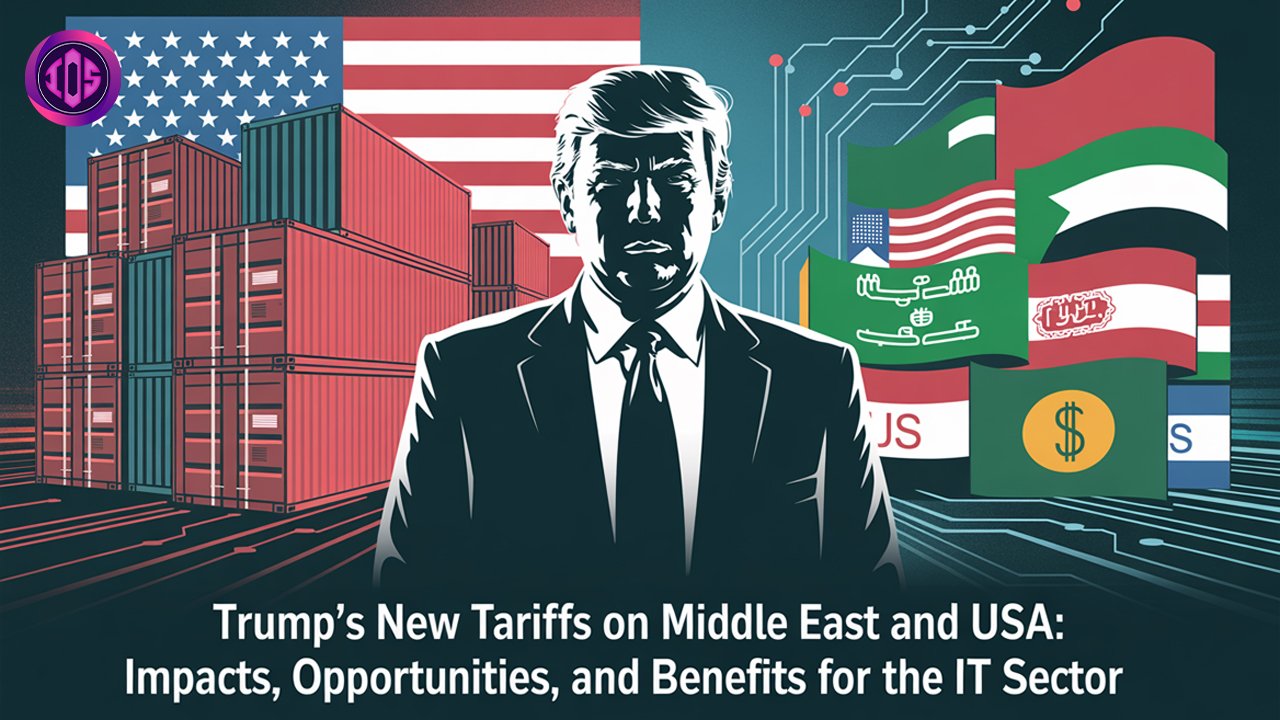
The Trump tariffs refer to import duties imposed by the Trump administration on goods from various countries, aimed at addressing trade imbalances, encouraging domestic manufacturing, and achieving political or economic objectives. These tariffs have been a cornerstone of Trump’s “America First” trade policy, which seeks to reduce the U.S. trade deficit, bring manufacturing jobs back to the U.S., and pressure trading partners into more favorable trade agreements.
Understanding Trump’s Tariff Policy 2025 President Donald J. Trump’s administration has unveiled a transformative revised tariff structure, slashing Pakistan’s rate to a groundbreaking 19%, the lowest among Asian nations, down from the initial 29% set in April 2025. This adjustment, effective following the July 31 executive order and initially proposed on April 2, 2025, reflects ongoing negotiations under the “America First” policy. This blog dives deep into the multifaceted impacts on Pakistan’s economy, IT sector, and trade landscape, while spotlighting the exciting opportunities and lasting benefits this reduction unlocks. We’ll also compare Pakistan with regional players like India, Vietnam, and Thailand to gauge its competitive edge. Timed with the tariff’s launch at this early hour, this analysis offers a real-time lens on its immediate ramifications. As the global trade arena shifts rapidly, Pakistan’s strategic responses over the next months could redefine its economic destiny.
2. Evolution of Trump’s Country-Specific Tariffs: April to July 2025
President Donald J. Trump’s administration has adjusted country-specific tariffs from the initial April 2025 framework, effective following the July 31 executive order. These rates reflect ongoing trade negotiations under the “America First” policy. Below is an analysis focusing on the highlighted regions Middle East, India, Pakistan, and the USA along with their implications, particularly for the IT sector where relevant. The analysis incorporates data from both images, noting that some countries appear in one list but not the other, and assumes unlisted Middle Eastern FTA countries (e.g., Saudi Arabia, UAE, Jordan) retain the 10% baseline unless specified.
Updated Tariff Rates by Country
The new rates, compared to those announced in April 2025 and the 2024 trade balance, are as follows:
Syria: New rate 41% (from 41%), Trade balance -$9M (from first image). No change, reflecting minimal trade volume and geopolitical factors. IT hardware imports remain costly, with limited sector impact.
Iraq: New rate 35% (from 39%), Trade balance -$6B (from first image). A slight reduction, possibly due to oil negotiations, with minimal direct IT sector effect.
Israel: New rate 15% (from 17%), Trade balance -$7B (from second image). A decrease, likely due to FTA adjustments, preserving tariff-free IT services (18% GDP contribution).
Jordan: New rate 15% (from 20%), Trade balance -$1B (from second image). A reduction, reinforcing its FTA status and supporting tariff-free IT services (e.g., software development).
Saudi Arabia, UAE: Not listed, retain 10% baseline (FTA countries), Trade balance not specified. IT sectors (e.g., UAE’s AI, Saudi’s NEOM) benefit from stable hardware import costs.
India: New rate 25% (from 26%), Trade balance -$46B (from first image). A slight decrease, signaling trade talk progress, but IT hardware costs (e.g., semiconductors) remain elevated.
Pakistan: New rate 19% (from 29%), Trade balance -$3B (from first image). A significant reduction, likely from negotiations, lowering IT hardware costs and boosting software export competitiveness.
USA: As an imposing country, no tariffs apply to its own goods. The focus is on domestic IT manufacturing (e.g., TSMC’s Arizona plants), driving onshoring and job creation (50,000–100,000 by 2027).
Impacts of Trump’s Tariffs on Pakistan
Economic Impact: Boosting the Wallet?
The dramatic drop from 29% to 19% alleviates the financial strain on Pakistan’s import-heavy economy, which grappled with a -$3B trade deficit with the USA in 2024. This tariff cut slashes the cost of essential imported goods, offering a potential buffer against inflation, a pressing issue amid worldwide tariff escalations. The relief could ignite consumer spending and fuel industrial expansion, particularly in vibrant urban hubs like Karachi and Faisalabad. However, the true economic uplift depends on Pakistan harnessing this rate to amplify trade volume, necessitating bold government initiatives and streamlined policies. Small businesses, often operating on thin margins, may still face hurdles with lingering costs, and the broader economic surge relies on securing additional trade agreements to mitigate global supply chain volatility. As of this early August 2025 morning, the economic outlook teeters on cautious optimism, with analysts awaiting fresh trade data to confirm the trajectory.
Additionally, this tariff reduction could attract foreign currency inflows as importers benefit from lower costs, strengthening Pakistan’s foreign exchange reserves. The government might seize this opportunity to invest in public infrastructure projects, further stimulating economic activity. Enhanced trade volumes could also improve Pakistan’s credit rating, making it more appealing to international lenders and investors. However, external factors like global oil prices and regional instability could offset these gains, requiring a balanced approach to fiscal policy. The next few months will be critical in measuring how effectively Pakistan converts this tariff advantage into sustainable economic growth.
Impact on the IT Sector: Tech Takeoff Ahead?
Pakistan’s burgeoning IT sector, a rising star contributing to GDP, reaps significant rewards from the 19% tariff, the lowest in Asia drastically reducing hardware costs for semiconductors, servers, and other critical components. This cost advantage accelerates data center expansion and fuels innovation in cloud computing and AI, with tech hubs like Lahore and Islamabad poised for a boom. Yet, persistent infrastructure challenges, such as erratic power supply and limited broadband reach, pose barriers to maximizing this opportunity. The tariff relief sharpens Pakistan’s competitive edge against higher-tariff Asian counterparts, though retaining skilled workers amid fierce global demand remains a hurdle. With the tariff taking effect today, IT companies have a golden window to recalibrate strategies, potentially catapulting export growth in the upcoming quarters and positioning Pakistan as a tech powerhouse.
Moreover, the lower tariff could encourage multinational IT giants to establish regional offices in Pakistan, tapping into its cost-effective talent pool. This could lead to technology transfer and advanced training programs, elevating the sector’s global standing. The government might also introduce tax incentives to lure more IT investments, fostering a startup ecosystem that rivals Silicon Valley’s early days. However, addressing digital literacy gaps in rural areas and ensuring data security will be vital to sustain this growth. The IT sector’s evolution could become a cornerstone of Pakistan’s economic diversification, provided it aligns with international standards and adapts to emerging tech trends.
Impact on Trade of Goods: A Trade Revolution?
The 19% tariff paves the way for more affordable imports of industrial and consumer goods from the USA, promising a boost to local manufacturing by lowering raw material expenses. Pakistan’s textile industry, a global leader, and its agricultural sector cornerstones of trade could see heightened demand if U.S. firms turn to Pakistan as an alternative to higher-tariff markets, especially with today’s early morning implementation. Nevertheless, heavy reliance on imported inputs leaves the economy vulnerable to future tariff spikes, while logistical bottlenecks like port congestion and customs delays could cap trade expansion. The rural economy, anchored by agriculture, stands to gain from cheaper inputs, but elevating export competitiveness will require investments in quality and efficiency. This shift could redraw Pakistan’s trade map, offering a fresh start for businesses adapting to the new rate.
Furthermore, the tariff cut could spur innovation in value-added exports, such as processed agricultural products and high-quality textiles, enhancing Pakistan’s trade portfolio. Improved access to U.S. markets might encourage local firms to adopt sustainable practices, meeting international environmental standards and attracting eco-conscious buyers. The government could also leverage this opportunity to modernize trade infrastructure, including cold storage and transportation networks, to support perishable goods exports. However, competition from other low-tariff nations and fluctuating global demand could challenge these gains, necessitating a proactive trade promotion strategy to solidify Pakistan’s position.
The implementation of President Donald J. Trump’s revised tariff structure, effective with Pakistan’s rate slashed to 19% the lowest in Asia, marks a significant shift in Pak-US relations. This move, announced following the July 31 executive order and initially proposed on April 2, 2025, signals a potential thaw in the often-strained bilateral ties, offering Pakistan economic relief amid global trade tensions. The reduced tariff, down from 29%, could foster increased trade volumes, particularly in IT and textiles, providing a platform for deeper economic collaboration. However, this gesture comes with strings attached, as the Trump administration’s “America First” policy emphasizes leveraging trade to secure strategic interests, potentially pressuring Pakistan to align more closely with U.S. geopolitical goals in South Asia and beyond. As of this early morning, the relationship hangs in a delicate balance, with economic incentives juxtaposed against political expectations.
The tariff reduction presents an opportunity to strengthen Pak-US ties through enhanced business partnerships, especially in the IT sector, where U.S. firms are likely to outsource to Pakistan’s cost-effective talent pool. This could lead to joint ventures and technology transfers, reinforcing economic interdependence and softening historical mistrust rooted in security concerns, such as the Afghan conflict and counterterrorism efforts. Yet, the fragility of this bond is evident, as Pakistan’s reliance on Chinese investment and its neutral stance in U.S.-China rivalry could complicate matters. The Trump administration might use the tariff advantage as leverage to demand greater cooperation on regional security, testing Pakistan’s sovereignty and diplomatic agility. As both nations navigate this evolving dynamic in the coming months, the success of this economic olive branch will depend on transparent dialogue and mutual respect, with the potential to either solidify or fracture this fragile alliance
Enhanced IT Outsourcing: The Outsourcing Goldmine!
The 19% tariff crowns Pakistan as Asia’s premier cost-effective IT outsourcing hub, outshining India (25%) and Vietnam (20%). U.S. companies, grappling with rising domestic costs, are likely to redirect software and AI contracts to Pakistan, with this opportunity peaking .This influx could draw substantial foreign investment into tech epicenters like Karachi, Lahore, and Peshawar, sparking job creation and skill-building for the younger generation. Long-term partnerships and the emergence of innovation hubs could follow, but success hinges on upgrading digital infrastructure, thinking of faster internet and secure networks and addressing cybersecurity to earn international trust. This is a defining moment for Pakistan to establish itself as a global IT outsourcing leader.
Beyond outsourcing, this tariff advantage could position Pakistan as a hub for tech support and customer service centers, leveraging its multilingual workforce. The government might collaborate with global tech firms to create specialized training academies, ensuring a steady supply of skilled professionals. This could also attract ancillary industries, such as hardware assembly and software testing, diversifying the IT ecosystem. However, maintaining competitive wages and addressing geopolitical perceptions will be key to sustaining this momentum, making international branding a priority for long-term success.
Diversified Trade Partnerships: New Horizons Await!
Lower tariffs fling open the U.S. market, urging Pakistan to diversify beyond its traditional ally, China, in a strategic move timed with today’s tariff rollout. Industries like textiles, a $13 billion export sector, and IT hardware could target American consumers, leveraging the tariff advantage to break into new territories. This shift might catalyze regional trade agreements, elevating Pakistan’s stature in global supply chains and reducing dependence on a single market. With global trade realignments underway, the current window offers a prime chance to negotiate with other nations, though political stability and consistent trade policies are non-negotiable for sustained success. Pakistan stands at a crossroads to expand its trade footprint.
This diversification could also open doors to emerging markets in Africa and Southeast Asia, where demand for Pakistani goods is rising. The tariff cut might encourage joint ventures with U.S. firms to co-develop products tailored for these regions, blending local expertise with American technology. Enhanced trade diplomacy could secure preferential access to additional markets, strengthening Pakistan’s export base. However, navigating complex trade regulations and building trust with new partners will require diplomatic finesse and robust trade missions, positioning Pakistan as a versatile global trader.
Investment Inflows: Cashing in on Growth!
The 19% reduction signals a business-friendly climate, potentially attracting U.S. investment into Pakistan’s IT and manufacturing sectors. Collaborative ventures in AI, cloud computing, and textile technology could take root, leveraging Pakistan’s expanding tech talent pool, especially in urban centers like Multan and Rawalpindi. This capital influx could turbocharge infrastructure projects broadband, roads, and energy though it demands stable policy frameworks to retain investor confidence. Today’s early implementation serves as an immediate catalyst for foreign firms to reassess their strategies, with long-term growth contingent on dismantling bureaucratic barriers and fostering a welcoming business environment. The potential is immense if Pakistan plays its cards right.
Beyond tech, this investment wave could revitalize Pakistan’s manufacturing sector, particularly in automotive and renewable energy, as U.S. firms seek cost-effective production bases. Special economic zones (SEZs) could be established to attract multinational corporations, offering tax breaks and streamlined regulations. The government might also launch public-private partnerships to fund large-scale projects, enhancing Pakistan’s appeal as an investment destination. However, ensuring transparency in investment processes and protecting intellectual property will be crucial to maintain investor interest, paving the way for a diversified economic boom.
Cost-Competitive IT Services: Winning the Price War!
The 19% tariff empowers Pakistan to offer IT services 10–15% cheaper than India, drawing U.S. outsourcing deals effective today. This cost edge strengthens Pakistan’s foothold in global markets, particularly for AI-driven solutions, enhancing local firm profitability and spurring innovation. Startups in software development and cloud services could flourish, with export revenues poised to climb. Pakistani IT firms can now wage a fiercer competitive battle, but maintaining high quality and scalability is critical to retaining client confidence over time. This tariff drop is a launchpad for a tech renaissance time to soar!
This cost advantage could also attract niche IT markets, such as fintech and healthcare software, where precision and affordability are prized. Local firms might partner with U.S. startups to co-develop cutting-edge applications, boosting Pakistan’s reputation as an innovation hub. The government could introduce subsidies for IT exports, further lowering operational costs. However, staying ahead requires continuous upskilling and adopting global best practices to meet evolving client expectations, ensuring Pakistan remains a top-tier service provider.
Job Creation: Employment Boom on the Horizon!
Lower import costs and surging outsourcing demand could generate 20,000–30,000 IT jobs by 2027, revitalizing employment in urban centers like Islamabad, Quetta, and Hyderabad as of today. This growth bolsters economic stability and tackles youth unemployment, a pressing issue in the post-pandemic recovery phase. The ripple effect could invigorate related industries logistics, training, and support services creating a multiplier effect across the economy. The immediate job potential opens doors to address skill gaps through targeted education initiatives, with sustained progress relying on robust infrastructure and industry collaboration. A brighter employment future is within reach.
Beyond IT, this job surge could spill into construction and retail as economic activity rises, supporting a holistic recovery. Vocational training programs could be expanded to include trades like electronics repair and network installation, aligning with IT growth. The government might incentivize companies to hire locally, reducing unemployment in underserved regions. However, ensuring fair wages and workplace safety standards will be essential to maximize social benefits, turning this employment wave into a nationwide uplift.
Resilient Supply Chains: Building a Stronger Future!
The tariff reduction enables Pakistan to forge resilient IT supply chains by securing hardware at reduced costs, effective from this morning. This diminishes dependence on unpredictable global markets, ensuring smooth timelines for tech projects like e-governance and smart cities. Over time, this could spur local manufacturing, shielding the economy from external disruptions and a timely advantage amid current supply chain crises. However, scaling domestic production and upholding quality standards are essential to fully capitalize on this benefit in the long haul. Pakistan is laying the groundwork for a robust economic shield act decisively now!
This resilience could extend to other sectors, such as pharmaceuticals and automotive parts, as local production scales up. Investment in research and development (R&D) could lead to indigenous hardware solutions, reducing import reliance further. The government might establish quality certification bodies to align local products with international standards, boosting export potential. However, overcoming initial setup costs and securing skilled labor for manufacturing will be critical, positioning Pakistan as a self-sufficient economic player in the long term.
India’s 25% tariff, slightly down from 26%, escalates hardware costs for its IT service giant as of today. While its vast talent pool sustains competitiveness, the higher rate might drive U.S. firms to Pakistan, threatening India’s outsourcing dominance. India’s established market and infrastructure remain strengths, but it faces mounting pressure to innovate and cut costs. The modest tariff reduction provides limited respite, necessitating strategic overhauls to hold its ground. Pakistan’s lower rate could gradually chip away at India’s market share and let the competition unfold!
🇮🇳 India’s response might include aggressive R&D investments to offset hardware costs, potentially leading to a tech arms race with Pakistan. Its large domestic market could absorb some price increases, but export competitiveness may wane. Collaboration with Southeast Asian nations could bolster India’s supply chain, though Pakistan’s tariff edge might tilt the balance. The outcome will hinge on India’s ability to adapt swiftly, making this a fascinating regional rivalry to watch.
Vietnam (20% Tariff): Hardware vs. Services Showdown!
Vietnam’s 20% tariff, slashed from 46%, bolsters its IT hardware manufacturing sector today. Its proximity to China enhances supply chain efficiency, but the rate exceeds Pakistan’s, dimming its IT service prospects. Vietnam may pivot to hardware exports, potentially ceding software ground to Pakistan, especially in development and AI. The substantial tariff drop fortifies its manufacturing base, though its service sector trails Pakistan’s growth potential. The rivalry hinges on Vietnam’s ability to expand its tech workforce and keep an eye on this matchup!
🇻🇳 Vietnam’s manufacturing focus could attract heavy industry investments, strengthening its industrial base. Its trade agreements with the EU and CPTPP might offset the tariff disadvantage, but service sector growth will lag without significant upskilling. Pakistan’s service lead could widen if Vietnam prioritizes hardware, creating a complementary trade dynamic. The competition will test both nations’ strategic agility in the coming years.
Thailand (19% Tariff): A Friendly Rival!
Thailand’s 19% tariff, reduced from 36%, aligns with Pakistan’s rate, delivering cost benefits as of this morning’s rollout. Its advanced infrastructure gives it a lead in electronics exports, contrasting with Pakistan’s IT service focus. This suggests a complementary dynamic, with Thailand excelling in hardware and Pakistan in services. The tariff cut amplifies Thailand’s export prowess, but its service sector may lag behind Pakistan’s upward trajectory. Regional collaboration could amplify mutual gains and a partnership to watch!
Thailand’s infrastructure advantage could draw more electronics firms, enhancing its export volume. Its proximity to ASEAN markets might boost regional trade, but Pakistan’s service focus could carve a niche in software exports. Joint ventures in tech manufacturing and services could emerge, benefiting both economies. The rivalry’s outcome depends on how well each leverages its strengths, potentially fostering a win-win scenario.
Good Insights for Stakeholders
Leverage AI Optimization: Smart Moves Pay Off!
Pakistani IT firms should embrace AI-driven supply chain tools to slash costs by 20–30% and boost efficiency starting today. Identifying cost-effective suppliers and optimizing operations are key priorities. The fresh tariff relief opens a prime window for tech adoption, with long-term success depending on training programs and AI investment. Now’s the time to innovate and lead!
AI could also enhance product development, enabling Pakistani firms to offer customized solutions for U.S. clients. Pilot projects with AI startups could test scalability, attracting venture capital. The government might subsidize AI adoption to accelerate growth, but cybersecurity training will be critical to protect data. This dual focus could position Pakistan as an AI innovation leader.
Target U.S. Markets: Aim for the Big Leagues!
Focus on U.S. outsourcing contracts in AI and software, leveraging the 19% rate to outpace India and Vietnam from this morning. This strategy can surge export revenues and forge global partnerships, with marketing highlighting cost and quality advantages. Sustained effort is crucial to cement this competitive edge strike while the iron is hot!
Targeting specific U.S. industries like healthcare and finance could yield high-value contracts, boosting Pakistan’s export profile. Trade delegations could promote these services, building long-term client relationships. However, navigating U.S. regulations and cultural differences will require tailored strategies, ensuring Pakistan maximizes its market penetration.
Invest in Infrastructure: Lay the Foundation for Success!
Government and private sectors must upgrade tech infrastructure to fuel IT growth, ensuring scalability as of today. Enhanced broadband, reliable power, and modern facilities are non-negotiable. This investment can attract foreign players and elevate local capabilities, with long-term planning essential for lasting impact. Build the backbone for tomorrow’s success!Expanding rural connectivity could bridge the digital divide, unlocking untapped talent pools. Public-private partnerships could fund smart city projects, integrating IT with urban development. However, managing project costs and timelines will be key, with international funding potentially easing the burden. A robust infrastructure network will drive sustained economic growth.
Skill Development: Empower the Next Tech Generation!
Expand STEM education to meet outsourcing demands, building a talent pipeline for long-term competitiveness starting now. Collaborations with tech firms can enhance training, addressing current skill shortages and preparing youth for global markets. Consistent funding and policy support are vital to sustain this initiative. Invest in the future workforce today!
Online learning platforms could extend education to remote areas, maximizing reach. Industry certifications in cloud computing and cybersecurity could align skills with market needs. The government might partner with global universities for exchange programs, enriching the talent pool. Sustained investment will ensure Pakistan’s workforce remains competitive globally, fueling a tech-driven economy
Conclusion: Seize the Day!
Trump’s new 19% tariff on Pakistan, the lowest in Asia, alleviates economic pressures, supercharges the IT sector, and unlocks trade potential. Outperforming India (25%), Vietnam (20%), and Thailand (19%), Pakistan gains a cost advantage, opening doors to outsourcing growth and investment opportunities. By harnessing AI, targeting U.S. markets, and investing in infrastructure and skills, Pakistan can transform this tariff shift into a springboard for economic and technological leadership in the “America First” era. Today’s implementation is a clarion call to seize this strategic moment to shape a prosperous future!
Today’s customers expect more than generic sales pitches; they want experiences that feel crafted just for them. Yet, delivering personalized outreach at scale is a challenge for sales teams drowning in data and tight deadlines. Enter AI-driven sales software, a game-changer that transforms customer engagement, email automation, and pitches into hyper-personalized strategies that drive results. This blog explores how AI is reshaping sales and how you can leverage it to build stronger connections.
Defining Hyper-Personalization in Sales
Hyper-personalization in sales harnesses AI to deliver tailored customer experiences using data like purchase history, browsing habits, and social interactions. Unlike basic personalization, which might insert a name into an email, hyper-personalization employs predictive analytics and machine learning to anticipate individual needs with precision. For example, a retailer used AI to analyze search patterns, sending product recommendations that boosted engagement by 25%. This approach ensures every touchpoint email, pitches, or offers feels uniquely crafted, fostering trust and loyalty. By blending human insight with AI’s data-crunching power, sales teams create meaningful connections at scale. In today’s competitive markets, hyper-personalization sets businesses apart, turning generic outreach into impactful interactions that drive conversions and build lasting customer relationships
The Impact of Hyper-Personalization
Hyper-personalization redefines sales by enabling scalable, authentic customer engagement. A B2B firm leveraged AI to tailor follow-ups based on lead behavior, increasing responses by 20%. This precision saves time, allowing teams to focus on strategy while AI automates repetitive tasks. Real-time adaptability ensures outreach remains relevant across channels, aligning with customer expectations. By delivering experiences that feel personal, businesses build trust, turning prospects into loyal advocates. As customers increasingly demand relevance, hyper-personalization is essential for staying competitive. It empowers sales teams to achieve higher conversions and sustainable growth, making it a critical tool for modern sales success in a dynamic, customer-centric landscape.
Anticipate Needs: AI predicts preferences for precise, targeted outreach.
Scale Efficiently: Automate personalized interactions while maintaining authenticity.
Boost Results: Real-time analytics optimize strategies for maximum conversions.
Elevating Customer Connections with AI-Powered Hyper-Personalization
Hyper-personalization, powered by AI-driven sales software, is transforming customer engagement by delivering tailored experiences that resonate deeply. By analyzing data points like purchase histories, website interactions, and social media behavior, AI creates detailed customer profiles to predict preferences with precision. For example, a retail brand used AI to send personalized product recommendations, boosting click-through rates by 25%. This approach ensures every interaction feels crafted for the individual, fostering trust and loyalty. Unlike traditional methods, AI scales personalization effortlessly, allowing sales teams to focus on building relationships while automation handles data-heavy tasks. In a competitive market, hyper-personalization turns casual prospects into committed customers, driving engagement and growth through meaningful, relevant connections that meet modern expectations.
AI-Powered Chatbots for Tailored Customer Interactions
By analyzing data like browsing history, past purchases, and user queries, these chatbots create tailored responses that feel human and relevant. For example, a retail brand deployed an AI chatbot that offered personalized product suggestions, boosting conversion rates by 23%. Unlike traditional support, AI chatbots operate 24/7, ensuring instant, customized responses that enhance customer satisfaction. They adapt in real-time, addressing specific needs like troubleshooting or recommending services based on user behavior.In a fast-paced market, AI-powered chatbots drive loyalty and engagement by delivering seamless, personalized experiences that meet modern customer expectations, transforming how brands connect with their audience.
AI-driven virtual assistants are transforming sales by providing tailored, data-driven interactions that resonate with customers. By leveraging predictive analytics, they analyze preferences, purchase patterns, and social interactions to offer personalized recommendations and support. A B2B company used a virtual assistant to guide prospects through tailored product demos, increasing close rates by 20%. These assistants streamline outreach by automating repetitive tasks while maintaining a human-like touch, ensuring every interaction feels relevant. Real-time adaptability allows them to adjust responses based on customer input, enhancing trust and engagement. As customers demand instant, customized experiences, virtual assistants empower sales teams to scale personalization efficiently, driving conversions and fostering loyalty in a competitive landscape where meaningful connections are key to success.
Personalize Instantly: AI analyzes data to deliver tailored responses in real-time.
Scale Efficiently: Automate personalized interactions without sacrificing authenticity.
Drive Conversions: Real-time analytics optimize engagement for better results.
Email remains a cornerstone of sales, but generic blasts rarely convert. AI transforms email automation by crafting messages tailored to each recipient’s behavior and preferences. For example, a B2B software company used AI to analyze open rates and content engagement, sending personalized follow-ups that increased responses by 22%. AI tools like dynamic content generators adapt emails in real-time, ensuring relevance. By automating personalized campaigns, businesses save time while delivering messages that feel human-crafted, strengthening customer relationships and driving conversions.
Personalizing Email Campaigns with AI Precision
AI-driven email automation is revolutionizing sales by delivering highly personalized campaigns that resonate with recipients. By analyzing data such as click patterns, purchase history, and engagement metrics, AI crafts emails tailored to individual preferences, ensuring relevance and impact. For instance, an e-commerce brand used AI to send targeted discount offers based on browsing behavior, boosting conversion rates by 24%. Dynamic content tools adjust email elements in real-time, like product suggestions or call-to-action phrasing, to match customer needs. This approach saves sales teams hours of manual work while maintaining a human touch. In a crowded inbox, hyper-personalized emails stand out, fostering stronger connections and driving loyalty. AI’s ability to scale personalization ensures businesses meet modern customer expectations, transforming email outreach into a powerful tool for growth.
Streamlining Sales with AI-Powered Email Automation
AI-powered email automation streamlines sales processes by delivering tailored messages at scale, eliminating the inefficiencies of generic outreach. By leveraging predictive analytics, AI identifies optimal send times and customizes content based on customer behavior, such as past purchases or website interactions. A tech startup used AI to personalize follow-up emails, increasing reply rates by 21%. Real-time analytics allow teams to monitor performance and refine campaigns instantly, ensuring maximum relevance. This automation frees sales professionals to focus on strategy and relationship-building while AI handles repetitive tasks. The result is emails that feel personal, fostering trust and boosting conversions. In today’s competitive market, AI-driven email automation is a game-changer, enabling businesses to engage customers effectively and achieve sustainable sales growth with minimal effort.
Tailor Content Precisely: AI analyzes behavior to craft relevant, engaging emails.
Optimize Timing: Predictive analytics ensure emails reach customers at the right moment.
Enhance Efficiency: Automate campaigns to save time while driving conversions
AI enhances sales pitches by providing insights into what resonates with each prospect. By analyzing past interactions, AI suggests tailored talking points, such as addressing specific pain points or highlighting relevant case studies. A tech startup used AI to customize pitches for enterprise clients, resulting in a 15% higher close rate. Predictive modeling also identifies the best times to pitch, maximizing impact. This precision ensures pitches feel authentic, building confidence and trust with prospects.
Optimizing Pitch Content with AI-Driven Sentiment Analysis
AI transforms sales pitches by using sentiment analysis to decode prospect emotions from past interactions, like emails or WhatsApp messages, common in MENA’s relationship-driven markets. By detecting tones such as urgency or caution, AI tailors pitch content, emphasizing solutions like cost-efficiency for budget-conscious clients. For instance, a Riyadh-based retail chain used AI to analyze customer inquiries, crafting pitches that highlighted personalized loyalty programs, boosting deal closures by 18%. AI also suggests relevant case studies or cultural nuances, ensuring pitches resonate deeply. This precision makes every pitch feel bespoke, fostering trust in MENA’s competitive markets. By aligning content with prospect priorities, AI-driven pitches enhance engagement and drive conversions, empowering sales teams to stand out in the region.
Personalizing Delivery with AI-Powered Timing and Channel Insights
AI optimizes sales pitches by pinpointing the best timing and channels for delivery, critical in MENA’s diverse business landscape. By analyzing prospect behaviors, such as email open patterns or social media engagement on platforms like Instagram, AI identifies when and how to pitch effectively. A Dubai-based fintech startup used AI to schedule pitches during peak engagement times, increasing response rates by 21%. AI also recommends preferred channels WhatsApp for quick follow-ups or in-person meetings for high-value clients based on regional preferences. This eliminates guesswork, ensuring pitches land when prospects are most receptive. By personalizing both timing and delivery, AI-driven pitches feel authentic and culturally relevant, strengthening connections and boosting conversions in MENA’s fast-evolving sales environment.
AI enhances sales pitches by providing insights into what resonates with each prospect. By analyzing past interactions, AI suggests tailored talking points, such as addressing specific pain points or highlighting relevant case studies. A tech startup used AI to customize pitches for enterprise clients, resulting in a 15% higher close rate. Predictive modeling also identifies the best times to pitch, maximizing impact. This precision ensures pitches feel authentic, building confidence and trust with prospects.
Optimizing Pitch Content with AI-Driven Sentiment Analysis
AI transforms sales pitches by using sentiment analysis to decode prospect emotions from past interactions, like emails or WhatsApp messages, common in MENA’s relationship-driven markets. By detecting tones such as urgency or caution, AI tailors pitch content, emphasizing solutions like cost-efficiency for budget-conscious clients. For instance, a Riyadh-based retail chain used AI to analyze customer inquiries, crafting pitches that highlighted personalized loyalty programs, boosting deal closures by 18%. AI also suggests relevant case studies or cultural nuances, ensuring pitches resonate deeply. This precision makes every pitch feel bespoke, fostering trust in MENA’s competitive markets. By aligning content with prospect priorities, AI-driven pitches enhance engagement and drive conversions, empowering sales teams to stand out in the region.
Personalizing Delivery with AI-Powered Timing and Channel Insights
AI optimizes sales pitches by pinpointing the best timing and channels for delivery, critical in MENA’s diverse business landscape. By analyzing prospect behaviors, such as email open patterns or social media engagement on platforms like Instagram, AI identifies when and how to pitch effectively. A Dubai-based fintech startup used AI to schedule pitches during peak engagement times, increasing response rates by 21%. AI also recommends preferred channels WhatsApp for quick follow-ups or in-person meetings for high-value clients based on regional preferences. This eliminates guesswork, ensuring pitches land when prospects are most receptive. By personalizing both timing and delivery, AI-driven pitches feel authentic and culturally relevant, strengthening connections and boosting conversions in MENA’s fast-evolving sales environment.
Hyper-personalization, driven by advanced AI in sales software, is transforming how businesses engage with customers.This shift moves beyond traditional segmentation, allowing brands to engage individuals rather than broad categories. As customers become more digitally savvy, the expectation for timely, relevant, and personalized communication is rising. Sales platforms that harness AI to offer such experiences are seeing notable improvements in engagement, loyalty, and conversion rates. Businesses that adapt early to this model are positioning themselves as industry leaders in customer experience.
However, with this technological power comes responsibility. Implementing hyper-personalized solutions must go hand in hand with transparent data practices, ethical use of AI, and strong privacy protections.That trust is earned through honesty, consent, and safeguarding personal information. Companies that fail to respect these boundaries risk alienating the very people they aim to serve. Moving forward, the success of AI-driven personalization depends not only on technical capabilities but also on how authentically businesses can connect with users. In this new era, personalization is not just smart, it must also be human.
The UAE is making bold moves toward becoming one of the world’s most startup-friendly hubs, powered by Vision 2031 and the Dubai Economic Agenda (D33). Imagine being a young founder in Dubai, staring up at the skyline, wondering how to take your idea global. That dream isn’t far-fetched. Between the country’s business-friendly free zones and its growing arsenal of digital tools, the UAE offers more than just inspiration; it offers infrastructure and support. In this blog, we’ll explore how startups can take full advantage of the UAE’s evolving ecosystem to grow faster, smarter, and with long-term impact.
Why the UAE is Designed for Scalable Innovation
The UAE has quietly built one of the most efficient startup ecosystems in the world. Founders here don’t just get a place to register a company, they get a launchpad for innovation. Many of the country’s free zones offer zero personal or corporate tax, simplified paperwork, and access to regional and global markets. Dubai’s smart city features, high-speed digital networks, and active support for fintech and SaaS make it ideal for modern businesses. Add a diverse, highly skilled talent pool and robust legal protections to the mix, and the country offers a rare balance of speed, safety, and scale. Whether you’re building something in AI, clean tech, or ecommerce, you’re stepping into an environment tailored for breakthrough ideas.
Why 2025 Is a Pivotal Year to Launch and Scale
What makes this year special isn’t just the rise of capital or new tech, it’s how everything is coming together at once. From accelerator programs and investor summits to open access to AI, blockchain, and IoT platforms, the ecosystem is brimming with opportunity. Initiatives like D33 and Vision 2031 aren’t abstract; they’re fueling real momentum. Combine this with the country’s investor-friendly policies, advanced infrastructure, and international reach, and you have an ideal setup. For founders ready to move, 2025 offers timing, tools, and the trust needed to build something big, maybe even the next unicorn.
Unlocking Growth with UAE Free Zones
The UAE’s free zones, such as Dubai Multi Commodities Centre (DMCC), Jebel Ali Free Zone (JAFZA), and Abu Dhabi Global Market (ADGM), are designed to empower startups
Why Free Zones Are a Game-Changer for Startups
Free zones offer distinct operational and financial advantages that make them indispensable to any startup’s scaling strategy. Cost savings are immediate, no income or corporate tax means more working capital stays within your business. Fast-track licensing and registration processes allow entrepreneurs to obtain a business license in as little as 24 hours, giving you a quick market entry.
These zones are strategically located near major seaports and international airports, offering unparalleled global connectivity for logistics, trade, and client access. Additionally, many free zones provide access to startup incubators, co-working spaces, and funding opportunities, creating an environment where innovation thrives. By operating in a free zone, startups gain both credibility and agility, crucial for attracting investors and partners. In 2025, leveraging free zones will be key for founders looking to grow with speed, compliance, and scalability.
Strategic Advantages Beyond Cost and Speed
While tax incentives and fast licensing make UAE free zones attractive, their long-term strategic benefits are even more compelling. Many free zones offer tailored infrastructure for specific industries like tech parks, fintech labs, or logistics hubs allowing startups to operate in an ecosystem aligned with their business model. Founders also gain access to regulatory support, simplified customs procedures, and intellectual property protection, ensuring smoother operations from day one.
Zones such as ADGM and DIFC provide legal systems aligned with international standards, which builds trust with foreign investors and clients. Moreover, free zones often host networking events, mentorship programs, and pitch competitions that help startups raise capital and gain visibility. As the UAE continues its transformation into a knowledge-based economy, free zones will remain critical engines for startup success and global competitiveness.
Why free zones are a game-changer:
Cost Savings: No income or corporate taxes, maximizing your startup’s budget.
Fast Setup: Obtain a business license in as little as 24 hours.
Global Connectivity: Access ports and airports for seamless trade.
The UAE government champions startups through initiatives like Dubai SME, Hub71 in Abu Dhabi, and the In5 Incubator.
Key Government-Backed Initiatives to Leverage
Startups in the UAE can gain a competitive edge by tapping into government-backed programs designed for rapid growth. The In5 Incubator provides more than just co-working space; it connects founders with seasoned mentors, technical experts, and pitch-stage investors through its active events calendar. For tech-based ventures, Digital Dubai leads initiatives that promote adoption of AI, blockchain, and cloud technologies, ensuring startups stay on the cutting edge of digital transformation.These collective efforts make the UAE not just a startup-friendly country, but a launchpad for global impact. Aligning with these programs can significantly accelerate your growth journey.
An Ecosystem Driven by Policies and Designed for Founders
The UAE is unique because of its progressive governance, which actively shapes laws to support startups. Through industry-specific regulatory sandboxes and simplified business registration, the government makes sure that entrepreneurs encounter as little obstacle as possible when they innovate. In order to update policies that take into account new developments in fintech, healthtech, and sustainability, the UAE Ministry of Economy frequently works with stakeholders from the public and private sectors. Initiatives such as the Smart Dubai Strategy provide digital infrastructure that facilitates experimentation and scale, while the Artificial Intelligence Strategy 2031 places startups at the center of national innovation goals. Intellectual property protections, tax breaks, and startup-friendly visa laws complete a framework that puts the success of founders first. The government’s goal is to create, not just diversify the economy.
Key initiatives to leverage:
Funding Options: Use Dubai Future Accelerators to obtain grants and venture capital.
Mentorship Networks: Attend In5 events to network with business executives.
Tech Focus: Take advantage of Digital Dubai’s efforts to promote blockchain and artificial intelligence.
The UAE’s digital economy is booming. Digital tools enable startups to compete globally while serving local markets. Platforms like Shopify and Noon Business simplify online store creation, while tools for SEO, paid ads, and marketing automation drive visibility and engagement in the UAE’s fast-paced market.
Building a Digital-First Strategy in the UAE
Crafting a digital-first startup strategy in the UAE involves more than selecting tools; it requires a cohesive ecosystem where automation, analytics, and localization work together. Start with foundational platforms like AWS Middle East or Microsoft Azure, which provide scalable cloud infrastructure, data compliance, and uptime reliability. Next, implement customer journey tools like HubSpot or Zoho CRM to automate engagement from first touch to conversion. Localizing SEO and content for Arabic-speaking users enhances visibility, while paid ads in both Arabic and English ensure broader market reach. Even tools like ChatGPT for customer support or Canva for localized visuals can boost brand perception. Integrating analytics tools like Google Analytics or Mixpanel enables data-driven decision-making. In the UAE’s fast-paced, tech-embracing business landscape, a thoughtfully curated digital stack is your startup’s competitive edge.
Why Digital Adoption is a Growth Multiplier
In the UAE’s innovation-driven economy, digital adoption isn’t just a tactical advantage, it’s a growth multiplier. Startups that integrate digital tools early often scale faster, adapt quicker, and build stronger customer relationships. For instance, integrating payment gateways like PayTabs or Telr enables secure and localized transactions, crucial for gaining consumer trust in e-commerce. Social media management tools like Buffer or Hootsuite help startups maintain consistent brand presence across platforms like Instagram, LinkedIn, and TikTok, all highly popular in the UAE. Additionally, tools like Trello and Notion enhance team collaboration, especially for remote or hybrid teams common in tech startups. When combined with UAE-specific analytics from platforms like SimilarWeb MENA, startups can refine strategy based on real user behavior. Ultimately, mastering these tools helps founders optimize operations, elevate user experience, and drive continuous innovation.
How to harness digital tools:
E-commerce Platforms: Use Shopify or Noon Business to launch UAE-friendly online stores with Arabic-English interfaces.
SEO Tools: Leverage SEMrush to optimize your website for local search terms business services in Dubai, boosting organic traffic.
Paid Ad Tools: Use Google Ads to create targeted campaigns for UAE’s 90% social media-active population with Arabic and English ads for maximum reach.
Marketing Automation: Implement HubSpot for personalized email and social media campaigns, streamlining customer engagement across MENA markets.
Cloud Solutions: Scale operations with AWS Middle East or Microsoft Azure for secure, scalable infrastructure.
Building a Future-Ready Workforce. By blending international expertise with local talent, startups can create dynamic teams that drive sustainable innovation.
Strategic Hiring in a Competitive Market
To stay ahead in the UAE’s fast-evolving startup scene, founders must build teams that combine technical expertise, cultural intelligence, and adaptability. The UAE’s Golden Visa program allows long-term residence for highly skilled professionals, making it easier for startups to retain top-tier talent. Platforms like LinkedIn, AngelList, and Bayt are ideal for sourcing developers, marketers, and product managers across borders. Founders should also tap into graduate pools from institutions like Khalifa University and Heriot-Watt Dubai for young, tech-savvy hires. Hiring from diverse backgrounds not only strengthens product development but also enhances market understanding across the MENA region. Additionally, many free zones offer HR and recruitment support, easing administrative burdens. A thoughtful hiring strategy that balances global talent with local insight sets the foundation for a resilient, future-ready team that can adapt and innovate in 2025.
Upskilling and Lifelong Learning as Growth Engines
A future-ready workforce isn’t just hired, it’s built. In a rapidly digitizing market like the UAE, ongoing learning is critical. Startups should regularly upskill their teams in areas like artificial intelligence, blockchain, UI/UX design, and digital marketing. In5, AstroLabs, and Hub71 offer workshops and bootcamps tailored for high-growth startups. Many government-backed programs even subsidize tech training for Emiratis and residents, allowing startups to benefit from cost-effective professional development. Additionally, leadership and soft skills training such as agile management or cross-cultural communication can prepare teams to scale operations across the Gulf region. By investing in learning, startups can build an adaptive culture that stays relevant, competitive, and ready to pivot as technologies and markets evolve.
Strategies for success:
Global Recruitment: Use Bayt or LinkedIn to attract international experts.
Upskilling: Partner with In5 for AI and digital marketing workshops.
Cultural Alignment: Train teams to respect UAE’s values, fostering sustainable innovation.
Pro Tip: Offer flexible work arrangements, such as hybrid models, to attract top talent, as 60% of UAE professionals prefer employers with work-from-home options (Bayt, 2024).
Building a Future-Ready Workforce. By blending international eThe UAE is fertile ground for growth.Startups that localize offerings and embrace digital trends can quickly gain traction in this dynamic landscape.
Consumer Insights That Drive Strategic Growth
Understanding UAE consumer behavior is crucial for any startup aiming for market fit and rapid expansion. Consumers in the UAE are early adopters of technology and demand premium, personalized experiences. E-commerce, fintech, healthtech, and mobility solutions have seen rapid uptake startups operating in these sectors can scale quickly with the right go-to-market strategy. Using tools like Google Trends, SimilarWeb MENA, and Statista can help analyze local preferences, search behaviors, and seasonal demand.
Subscription models, mobile payment options, and influencer partnerships are also effective in building long-term engagement. Importantly, UAE consumers value trust and transparency reviews, testimonials, and responsive customer service significantly impact brand loyalty. Startups that integrate local consumer insights into product design, pricing, and digital presence can outperform competitors and win market share in one of the region’s most lucrative economies.
Capitalizing on Seasonal Trends and Cultural Moments
Startups that align their marketing and sales strategies with the UAE’s cultural calendar can significantly boost engagement and conversions. Major events like Ramadan, Eid, National Day, and Dubai Shopping Festival are periods of heightened consumer activity, especially in retail, hospitality, and online services. Tailoring promotions, content, and product offerings to these key moments builds cultural relevance and emotional connection with consumers. For example, launching limited-edition products during Eid or running Arabic-first ad campaigns during Ramadan can drive stronger brand recall. Moreover, Expo City Dubai and similar events continue to attract global footfall, creating opportunities for experiential marketing. Timing product launches, influencer collaborations, and ad campaigns around these milestones can accelerate visibility. Startups that plan ahead and align with these seasonal peaks position themselves as culturally aware brands that truly understand the UAE market.
How to engage consumers:
Localized Marketing: Create Arabic-English campaigns on Instagram and TikTok.
Cultural Sensitivity: Offer halal products or Ramadan promotions.
Strategic Networking and Partnerships
The UAE’s vibrant startup ecosystem thrives on collaboration, with events like GITEX Global and Startup Village connecting entrepreneurs to investors and industry leaders.
Building Lasting Partnerships to Accelerate Growth
In the UAE, meaningful partnerships are a strategic asset not just a marketing opportunity. By aligning with academic institutions, government entities, and private enterprises, startups can gain access to pilot programs, R&D support, and enterprise clients. Initiatives like Hub71’s corporate partnerships and the Dubai Future Foundation’s challenge-led accelerators help founders test and validate their ideas in real-world environments.
Strategic alliances with logistics partners, payment processors, or regional influencers can also expand a startup’s reach and credibility. Moreover, networking events like STEP Conference and Expand North Star attract thought leaders and venture capitalists actively seeking innovative collaborations. Startups that approach networking with intention prioritizing mutual value, long-term alignment, and strategic fit are more likely to form partnerships that lead to sustainable growth. In a relationship-driven ecosystem like the UAE, collaboration isn’t optional, it’s a growth strategy.
How to build strategic connections:
Attend Industry Events: Participate in Dubai Startup Hub events to meet mentors and investors.
Form Local Partnerships: Collaborate with UAE-based firms for market insights and credibility.
Pro Tip: Use LinkedIn to connect with UAE’s business community, emphasizing strategic partnerships to build trust and expand reach.
Free zones like ADGM and DIFC attract global investors, while Dubai SME and Khalifa Fund offer funding support. Startups can pitch to funds like 500 Global MENA or use platforms like Eureeca to secure capital for scaling.
Secure Funding in the UAE
To effectively raise capital in the UAE, startups must position themselves strategically and engage with the right funding sources. Begin by pitching to regional venture capital firms like 500 Global MENA and Wamda Capital, known for backing disruptive early-stage ventures.Crowdfunding is also gaining traction platforms like Eureeca enable startups to reach retail investors and gain market validation simultaneously. Additionally, founders should explore government grants through programs such as Dubai SME and the Khalifa Fund, which offer non-dilutive capital, training, and support services. Each funding path requires a solid pitch, a clear business model, and a vision aligned with the UAE’s innovation and economic goals. With the right approach, startups can leverage this ecosystem to scale both regionally and internationally
Financial Readiness and Investor Alignment
To make the most of the UAE’s funding landscape, startups must be financially ready and strategically aligned with investor expectations. This involves having clear business models, well-structured cap tables, and data-driven growth strategies.Founders should build relationships with accelerators like Flat6Labs or start-up hubs like Hub71 that offer pitch training and investor matchmaking. Platforms like MAGNiTT and Crunchbase MENA also provide valuable market intelligence for identifying and connecting with relevant investors. Startups should treat fundraising as an ongoing relationship-building process rather than a one-time pitch. By focusing on long-term value creation and transparent reporting, founders increase their chances of attracting not only capital but also the strategic support that comes with it.
How to secure funding:
Pitch to VCs: Engage with funds like 500 Global MENA or Wamda Capital.
Crowdfunding Platforms: Use Eureeca to tap into regional investors.
Government Grants: Apply for support through Dubai SME or Khalifa Fund.
The UAE is strategically positioned to lead in global innovation, with Vision 2031 focusing on emerging technologies, sustainability, and digital transformation. According to IDC, the UAE’s AI market is projected to reach AED 2.5 billion by 2026, creating a ripe environment for startups to thrive. Entrepreneurs can stay ahead by aligning with high-impact trends such as artificial intelligence, the metaverse, and green technology. Startups that adopt these innovations early are more likely to secure funding, attract talent, and scale regionally and globally.
Leveraging AI, Sustainability, and the Metaverse
To seize these opportunities, founders should adopt AI platforms like Google Cloud AI for predictive analytics and customer insights. Embracing sustainability through solar solutions or eco-packaging aligns with national net-zero goals. Exploring the metaverse via platforms like Decentraland can unlock new digital economies and user engagement in the UAE’s evolving tech landscape. Innovating within these domains ensures relevance and long-term viability in a rapidly transforming market.
Expanding into Fintech and Healthtech Innovation
To make the most of the UAE’s funding landscape, startups must be financially ready and strategically aligned with investor expeAnother emerging space is healthtech, where AI diagnostics, wearable tech, and telemedicine are gaining traction. The UAE’s push for smart healthcare systems offers startups room to introduce personalized, scalable solutions. Meanwhile, fintech innovations such as blockchain-powered payment platforms and digital wallets continue to attract investment and consumer trust. By tapping into government incentives, accelerators like Hub71, and cross-border partnerships, startups can amplify their R&D efforts and global reach. The UAE’s regulatory flexibility and tech-first approach make it an ideal testbed for products aimed at broader MENA and global markets.
How to seize future opportunities:
Adopt AI Tools: Use platforms like Google Cloud AI for predictive analytics and customer engagement.
Embrace Sustainability: Integrate solar-powered solutions or eco-friendly packaging to align with UAE’s net-zero goals.
Explore the Metaverse: Develop virtual experiences on platforms like Decentraland to tap into the UAE’s digital economy.
The UAE is rapidly emerging as a global launchpad for startups, offering a unique blend of free zone advantages, government initiatives, and a future-ready digital landscape. With access to world-class infrastructure, expert talent, and a thriving consumer market, the region empowers entrepreneurs to scale fast and smart.Nowhere is that more evident than in the UAE. Whether you’re launching a tech venture or scaling an existing startup, 2025 is the year to move boldly. Grow with confidence Intact One Solution’s experts are here to guide you with tailored strategies for free zones, licensing, and digital transformation. Contact us today or subscribe to our newsletter for exclusive MENA startup insights and growth opportunities.
Prompt engineering is rapidly emerging as a foundational discipline in the development and application of AI language models. At its core, it involves designing and optimizing inputs known as prompts that guide AI systems to generate accurate, relevant, and creative outputs. Unlike traditional programming where explicit, step-by-step instructions define expected behavior, prompt engineering relies on carefully crafted human-readable inputs to influence AI model behavior dynamically. As AI models grow in complexity and capability, effective communication with these systems becomes increasingly vital. This field uniquely blends linguistic insight, domain expertise, and technical knowledge, making it indispensable for businesses, developers, educators, and content creators who depend on AI-driven tools in their workflows.
Why Prompt Engineering Matters in Modern AI
The importance of prompt engineering lies in its ability to maximize AI efficiency, reliability, and relevance. Well-engineered prompts significantly reduce errors, irrelevant content, and biases, saving valuable time and computational resources. As AI models become integral to a broad range of applications including chatbots, automated content generation, and decision-support systems, prompt engineering acts as the bridge that translates human intent into meaningful machine understanding. Given the rapid evolution of AI architectures and capabilities, prompt engineering requires continuous learning and adaptation. Mastering this discipline means more than simply using AI; it means shaping AI behavior purposefully to unlock creative, innovative, and ethical possibilities.
The Role of Generative AI in Advancing Prompt Techniques
The rise of advanced generative AI technologies like GPT-4 and its successors has dramatically heightened interest in prompt engineering. These models excel at diverse tasks ranging from coding assistance to creative storytelling, but their performance depends heavily on the quality of the input prompts. Prompt engineers experiment with phrasing, context, format, and examples to unlock the full potential of these models. Furthermore, prompt engineering is increasingly a collaborative process that combines human creativity with machine intelligence to produce superior results. This synergy has profound implications across multiple sectors including healthcare, education, marketing, and entertainment, transforming traditional workflows and user experiences.
The Art and Science of Communicating with AI
Prompt engineering is more than a technical skill; it is both an art and a science of communicating with intelligent machines. Understanding its core principles and ongoing advancements is essential for anyone working with AI today and in the future. This blog will explore key concepts, enabling technologies, practical applications, current challenges, and emerging trends that define prompt engineering as we approach 2025. Whether you are a beginner or a seasoned AI practitioner, gaining these insights will position you to harness AI responsibly and effectively in an increasingly AI-driven world.
Effective prompt engineering begins with a deep understanding of the AI model’s architecture and inherent capabilities. Different AI models respond uniquely depending on their training data, tokenization methods, and the size of their context windows. Prompt engineers must familiarize themselves with these technical details to design prompts that leverage the strengths of each model while addressing their limitations. For example, some models respond best to concise prompts with clear intent, while others require detailed instructions or sample inputs for better results. Engineers must strike a balance between specificity and creativity: overly narrow prompts may constrain AI outputs, whereas too broad prompts risk producing irrelevant or inaccurate responses, requiring careful calibration to maximize effectiveness.
Language Choice and Prompt Structuring Techniques
Language choice and phrasing are pivotal to crafting successful prompts. Using natural, concise, and unambiguous language reduces confusion and ambiguity for AI models, resulting in clearer and more relevant outputs. Prompt engineers often iterate by tweaking sentence structure, employing keywords strategically, or experimenting with different prompt formats such as questions, commands, or fill-in-the-blank templates. Including relevant context, such as background information or a desired tone and style, further guides the AI’s response. Complex tasks may require chaining multiple prompts breaking them into smaller, modular steps to improve clarity, accuracy, and performance in multi-turn conversations or reasoning-heavy scenarios.
Addressing Bias and Ethical Prompt Design
Another fundamental consideration is managing AI biases and addressing ethical concerns throughout prompt engineering. Engineers must be aware of how the phrasing of inputs can influence AI outputs, potentially perpetuating societal stereotypes, misinformation, or harmful content embedded in training data. Crafting neutral, balanced, and inclusive prompts, as well as embedding disclaimers or operational constraints, helps mitigate such risks. Continuous evaluation, monitoring, and feedback loops are necessary to ensure that AI responses align with ethical guidelines and meet user expectations. Collaboration with domain experts, linguists, ethicists, and diverse stakeholders is essential to foster responsible and equitable AI deployment.
Tooling, Automation, and Scalable Prompt Deployment
Tooling and automation increasingly support prompt engineering workflows, enabling more efficient experimentation and deployment. Specialized platforms offer features such as prompt template libraries, real-time testing environments, and output analysis dashboards to accelerate iteration cycles and improve prompt quality. As AI integrates deeper into products and services, prompt engineering also involves building scalable systems that automate the generation, testing, and deployment of prompts across various applications. The combination of human creativity and algorithmic assistance will be key to managing the growing complexity and volume of prompts at scale. Together, these foundational elements empower prompt engineers to unlock AI’s full potential with precision, accountability, and impact.
Prompt engineering plays a transformative and foundational role across various AI-driven applications, particularly in natural language processing (NLP). It empowers chatbots and virtual assistants to better comprehend user queries and provide more relevant, context-aware responses. By tailoring prompts precisely, engineers enhance conversational AI’s fluency, problem-solving ability, and understanding of nuanced language. This leads to improved user experience, higher customer satisfaction, and greater operational efficiency, especially in industries like retail, banking, and healthcare where quick, accurate communication is vital. As conversational AI becomes increasingly widespread, prompt engineering ensures these systems remain reliable, trustworthy, and aligned with business objectives transforming customer service into a seamless and intelligent interaction.
Driving Data Analysis and Intelligent Decision-Making
In the field of content creation, prompt engineering is revolutionizing how text, images, and even code are generated. Creative professionals harness AI models by carefully designing prompts that instruct the system to write articles, produce graphics, compose music, or develop software programs. The quality and relevance of generated content heavily depend on the clarity and precision of these prompts. For instance, marketers develop prompt templates to craft personalized advertising copy at scale, while educators create prompts to drive interactive, adaptive learning tools. Mastering prompt design enables users to accelerate workflows, increase creativity, reduce production costs, and redefine innovation in content-heavy industries across the globe.
Powering Multimodal AI for Immersive Experiences
Moreover, prompt engineering plays a vital role in data analysis and decision-making processes powered by AI. When prompted accurately, AI models can interpret complex datasets, identify patterns and trends, and generate actionable insights. Business intelligence platforms incorporate prompt engineering techniques to automate the creation of reports, forecast market behavior, and detect anomalies faster than traditional methods. In healthcare, AI systems use prompt-driven analysis of medical records and imaging to support diagnostic accuracy and treatment planning, ultimately improving patient outcomes. Collaborations between prompt engineers and data scientists ensure that raw data is translated effectively into meaningful knowledge, helping organizations make smarter, evidence-based decisions at scale.
Finally, prompt engineering is critical to the advancement of multimodal AI systems, which combine multiple input types such as text, images, audio, and video. These sophisticated systems rely on complex prompts to synchronize and contextualize diverse data streams, producing holistic and nuanced outputs. For example, AI-powered design software interprets textual prompts to generate visual concepts, while virtual and augmented reality platforms dynamically respond to spoken or gesture-based instructions. As multimodal AI technologies expand, prompt engineering evolves to integrate sensory, spatial, and emotional cues, creating interactions that are more natural, immersive, and human-like. This multidisciplinary role underscores prompt engineering’s growing importance in shaping the future of AI-human interaction and application.
Despite its growing importance, prompt engineering faces several significant challenges that demand continuous research and innovation. One of the foremost issues is model unpredictability. Even the most carefully crafted prompts can sometimes generate inconsistent, irrelevant, or unexpected results due to the inherent probabilistic nature of AI language models. This uncertainty complicates the prompt design process, requiring engineers to engage in iterative testing, fine-tuning, and adjustment to achieve reliable outputs. Furthermore, with AI architectures evolving rapidly, prompt engineers must quickly adapt to updates and new models, making it crucial to develop robust evaluation frameworks that objectively measure prompt effectiveness and guide optimization in dynamic environments.
Managing Prompt Sensitivity and Scalability Issues
Another major hurdle is prompt sensitivity, where slight changes in wording, phrasing, or structure can dramatically affect AI responses. This sensitivity makes prompt engineering a delicate and often unpredictable process, limiting the scalability and automation of prompt design. Engineers currently need to manually fine-tune prompts for specific tasks, domains, or user demographics, increasing the complexity and time investment required. Research efforts into prompt generalization seek to develop more stable, transferable prompt templates that can perform well across different contexts and models, but this remains an open and challenging problem. Striking the right balance between specificity and flexibility is critical to advancing the field.
Addressing Bias, Ethics, and Privacy Concerns
Bias and ethical concerns also pose significant obstacles in prompt engineering today. AI models learn from vast datasets that often contain societal prejudices, misinformation, or harmful stereotypes, which can inadvertently be reflected or amplified in AI outputs. Prompt engineers must actively work to mitigate these risks by designing inclusive, neutral prompts and implementing guardrails that promote fairness and prevent discrimination. Achieving transparency and accountability in AI outputs requires ongoing monitoring, evaluation, and collaboration between AI developers, ethicists, domain experts, and end-users. Additionally, privacy issues emerge when prompts involve sensitive user data, necessitating secure data handling and strict compliance with regulations like GDPR to protect individual rights.
Overcoming the Lack of Standardized Tools and Practices
Finally, the lack of standardized tools, frameworks, and best practices currently limits the accessibility and effectiveness of prompt engineering. While some platforms and software offer prompt testing, version control, and management features, the field as a whole still lacks comprehensive, widely accepted standards, benchmarks, and educational resources. As prompt engineering matures into a core AI discipline, establishing industry-wide standards and building collaborative communities will be essential to fostering innovation and quality assurance. Furthermore, investing in education and skill development programs can bridge knowledge gaps between AI developers, domain specialists, and end-users, democratizing prompt engineering and accelerating its adoption across sectors.
The Future of Prompt Engineering: Trends to Watch in 2025
As we approach 2025, prompt engineering is poised to become an even more critical and dynamic discipline driving the next wave of AI innovation. One of the most transformative trends will be the rise of automated prompt generation and optimization. Advances in meta-learning, reinforcement learning, and adaptive algorithms will enable AI systems to self-tune their prompts continuously based on real-time feedback loops, significantly minimizing the need for manual intervention. This evolution will accelerate the deployment of AI applications, improve response accuracy, and reduce time-to-market. As a result, prompt engineers’ roles will shift from crafting individual prompts to curating, supervising, and refining automated prompt systems, allowing for greater scalability and efficiency in AI workflows across industries.
The Emergence of Multimodal Prompting Techniques
Another significant development on the horizon is the integration of multimodal prompting techniques. Future prompt engineers will design inputs that combine various data types such as text, voice, images, and sensory signals to interact with increasingly sophisticated AI models. This advancement will unlock richer, more natural, and immersive AI experiences across virtual assistants, augmented reality (AR), robotics, and beyond. Synchronizing these diverse inputs into coherent prompts will require new skills and interdisciplinary knowledge, pushing the boundaries of traditional text-based prompt engineering. The ability to effectively combine modalities will transform user interaction paradigms, making AI more intuitive and human-like in its responses.
Prompt Engineering Meets Explainable
Prompt engineering will also increasingly intersect with explainable AI (XAI) and evolving ethical frameworks. As AI systems are deployed in high-stakes areas like healthcare, legal services, and finance, engineers will be tasked with designing prompts that not only generate outputs but also provide transparent explanations, reasoning paths, and confidence scores. This transparency is essential for building user trust, enabling stakeholders to understand how and why AI arrived at certain conclusions. Ethical prompt design will become an integral part of AI development lifecycles, ensuring that models produce fair, unbiased, and responsible outputs. Adopting these practices will be critical to fostering societal acceptance and regulatory compliance of AI technologies.
Growth of Collaborative Prompt Marketplaces and Repositories
Finally, community-driven prompt repositories and marketplaces are expected to flourish by 2025, fostering a culture of collaboration and innovation. Sharing successful prompt templates, best practices, and domain-specific libraries across industries will democratize access to prompt engineering knowledge. Developers, researchers, and end-users alike will benefit from curated collections tailored to different languages, sectors, and use cases, reducing the learning curve and accelerating AI adoption globally. These open ecosystems will encourage experimentation, knowledge exchange, and collective problem-solving, propelling prompt engineering from an emerging specialty to a widely accessible and vital AI discipline.
The evolving landscape of prompt engineering in 2025 demands a unique and comprehensive blend of skills for professionals in the field. At the foundation lies a solid understanding of natural language processing (NLP) fundamentals. Engineers need to grasp how AI models interpret human language, including concepts like tokenization, context windows, and attention mechanisms. This technical knowledge is critical for designing prompts that align effectively with the model’s behavior and capabilities. Without this foundation, prompt engineers may struggle to optimize AI outputs or address limitations within complex language models, making NLP expertise an indispensable part of the prompt engineering toolkit.
Blending Creativity, Language, and Domain Expertise
Equally important are creative problem-solving and strong linguistic abilities. Prompt engineering is both an art and a science; it requires experimenting with phrasing, tone, and structure to elicit precise and desired AI outputs. Engineers must think like writers and programmers simultaneously, balancing clarity with the flexibility needed for diverse AI tasks. Domain expertise adds further value; specialized knowledge in fields such as healthcare, law, marketing, or education ensures that prompts are contextually relevant and accurate. This combination of technical, creative, and domain-specific skills makes prompt engineers indispensable collaborators in AI projects.
Leveraging Next-Generation Tools and Platforms
Familiarity with emerging tools and platforms designed to support prompt engineering will become increasingly crucial. These tools include AI prompt editors that allow real-time tweaking and testing, automated evaluation systems that assess prompt performance, and version control mechanisms for managing iterative changes. As AI models grow more complex, tools leveraging meta-learning and reinforcement learning will assist in prompt generation and optimization, helping engineers supervise and refine rather than manually craft every input. Mastery of such tools will improve efficiency, scalability, and consistency in prompt engineering workflows, elevating the profession from trial-and-error to a more systematic discipline.
Ethical Awareness and Data Literacy as Core Competencies
Finally, ethical awareness and data literacy will be mandatory attributes for prompt engineers in 2025. Ensuring fairness, transparency, and user privacy in prompt design helps prevent AI misuse and builds trust in AI systems. Understanding potential biases embedded in training data and how they influence outputs is essential to mitigate discrimination or misinformation. Regulatory compliance with data protection laws such as GDPR is equally important. Cross-disciplinary collaboration with ethicists, designers, legal experts, and domain specialists will be vital to delivering responsible and socially conscious AI solutions. Prompt engineers will serve not only as technical experts but also as guardians of ethical AI deployment.
Prompt engineering is already transforming a wide range of industries and is set to accelerate this impact through 2025 and beyond. In the healthcare sector, it enables AI-driven diagnostics, personalized treatment plans, and the automation of patient interactions. Well-crafted prompts help AI systems interpret complex medical data, synthesize the latest research, and communicate clearly and empathetically with both patients and healthcare providers.
This leads to improved diagnostic accuracy, greater operational efficiency, and enhanced access to medical care especially in remote or underserved regions. AI-powered virtual health assistants can monitor patient health continuously, detect anomalies early, and suggest timely interventions, reducing hospital visits and improving outcomes. The integration of prompt engineering into healthcare ultimately supports a shift from reactive to proactive medicine, empowering patients and providers alike.
Finance: Real-Time Intelligence and Automation
In the financial industry, prompt engineering optimizes AI applications for fraud detection, risk management, and customer service automation. By designing precise and context-aware prompts, AI systems can analyze vast numbers of financial transactions in real time, quickly flagging suspicious activities or anomalies for further investigation. Additionally, AI-generated compliance reports streamline regulatory processes, reducing costs and enhancing transparency. Customer-facing AI chatbots use tailored prompts to offer personalized financial advice, assist with routine banking tasks, and resolve queries efficiently. This combination of improved security, enhanced customer experience, and regulatory adherence makes prompt engineering a critical factor in modernizing financial services, allowing institutions to stay competitive in an increasingly digital market.
Education: Personalization and Scalable Tutoring
The education sector benefits significantly from advances in prompt engineering, which enable the development of adaptive learning platforms and intelligent tutoring systems. Customized prompts guide AI to deliver personalized learning content suited to each student’s individual needs, cognitive style, and pace. These systems can assess student progress dynamically and adjust lesson plans accordingly, improving engagement and retention. Virtual teaching assistants, powered by effective prompt design, provide real-time feedback, answer questions, and support diverse learning styles, helping educators manage larger classrooms while maintaining personalized attention. Furthermore, AI-driven language learning, skill-building, and interactive content become more accessible, fostering lifelong learning opportunities. Prompt engineering transforms education into a more inclusive, flexible, and impactful experience.
Creative Industries: Accelerating Innovation and Co-Creation
In creative industries, prompt engineering accelerates and democratizes content creation across multiple domains from automated copywriting and graphic design to music composition and video editing. Artists, marketers, and content creators use carefully designed prompts to co-create with AI, generating fresh ideas, drafts, or visual concepts quickly and efficiently. This collaboration reduces production time, lowers costs, and unlocks new creative possibilities that might otherwise be unreachable. By enabling AI to understand nuanced artistic directions and styles, prompt engineering empowers creators to experiment and innovate, pushing the boundaries of media and entertainment. This not only streamlines workflows but also broadens access to creative tools, leveling the playing field for both professionals and amateurs worldwide.
Conclusion: Embracing Prompt Engineering for a Smarter Future
Prompt engineering stands at the frontier of AI innovation as we approach 2025, acting as the crucial link between human intent and machine intelligence. It transforms how we interact with AI, making these systems more responsive, accurate, and useful. The ability to craft effective prompts empowers users to guide AI models toward meaningful, contextually appropriate outputs, thereby unlocking their full potential. This discipline is no longer a niche skill; it is becoming essential for businesses, developers, educators, and creatives who rely on AI-driven tools daily. Mastery of prompt engineering can reduce errors, minimize biases, and accelerate workflows, creating immense value across industries and applications.
Moreover, prompt engineering plays a pivotal role in fostering responsible AI use. As AI becomes deeply embedded in sensitive areas such as healthcare, finance, and law, the demand for ethical, transparent, and fair systems grows. Thoughtful prompt design helps ensure AI outputs respect privacy, avoid harmful stereotypes, and align with human values. The collaborative effort of prompt engineers, ethicists, and domain experts is critical to building trustworthy AI ecosystems. By embedding ethics into prompt engineering workflows, we can mitigate risks while maximizing AI’s societal benefits, ensuring that technology advances in harmony with humanity’s best interests.
Introduction to Natural Language Processing in Enterprise Settings
Natural Language Processing (NLP) is transforming enterprise applications by enabling machines to interpret, analyze, and generate human language. In modern business environments, where vast amounts of unstructured data are generated daily through emails, support tickets, chats, and documents, NLP helps organizations extract actionable insights with greater speed and accuracy. The fusion of artificial intelligence and linguistics empowers systems to understand sentiment, identify trends, and improve communication between customers and internal teams. NLP in enterprise applications supports both customer experience optimization and operational efficiency. The availability of cloud-based NLP APIs and open-source libraries has accelerated its integration into mainstream platforms. As organizations seek competitive advantages through digital transformation, natural language processing has become essential for real-time analytics, knowledge management, and automation. Enterprises are leveraging this technology to improve decision-making and reduce manual workloads.
The Rise of Unstructured Data in Modern Enterprises
With the exponential growth of digital communication, enterprises are now dealing with an overwhelming volume of unstructured data. This includes emails, support chat transcripts, customer reviews, survey responses, internal memos, and social media interactions. Traditional data analytics systems struggle to extract meaning from this kind of textual content. Natural language processing offers a structured way to analyze human language by breaking down syntax, semantics, and context. By leveraging NLP, organizations can categorize, summarize, and gain real-time understanding from vast text repositories. This capability not only helps in monitoring operations and customer feedback but also serves as a foundation for predictive analytics and strategic planning.
Enhancing Customer Interaction Through Language Intelligence
NLP is at the forefront of improving enterprise-customer relationships by enabling intelligent, responsive systems. Chatbots and virtual agents, powered by NLP and machine learning, can respond contextually to user queries, resolve complaints, and even personalize recommendations. Unlike basic rule-based systems, modern NLP tools can adapt over time by learning from new interactions and feedback. This enhances user satisfaction and reduces dependency on human agents. Enterprises also use sentiment analysis to understand customer emotions and tailor engagement strategies. As language-based interactions become a key differentiator, NLP ensures businesses stay relevant and customer-centric in highly competitive markets.
Driving Operational Efficiency Across Departments
Beyond customer service, NLP streamlines internal enterprise processes in departments like HR, legal, compliance, and finance. In HR, NLP tools assist in resume screening, employee sentiment monitoring, and training content recommendations. Legal departments benefit from contract analysis tools that flag risks and inconsistencies automatically. Finance teams use NLP-driven dashboards to interpret earnings calls and automate financial reporting. This shift from manual document review to intelligent text analytics leads to significant time and cost savings. It also improves accuracy and compliance across the board. NLP, when embedded in enterprise platforms, enables teams to work smarter and focus on high-impact tasks rather than repetitive textual review.
Integration with Emerging Technologies for Scalable NLP
The growing accessibility of NLP tools is largely attributed to advancements in cloud computing and artificial intelligence. Cloud platforms like AWS, Google Cloud, and Microsoft Azure offer NLP as a service, allowing enterprises to build language-aware applications without investing in infrastructure. Moreover, the fusion of NLP with other emerging technologies like robotic process automation (RPA), knowledge graphs, and generative AI is unlocking new use cases across industries. These integrations facilitate smarter search engines, intelligent document processing, and enhanced enterprise analytics. As pre-trained transformer models like BERT and GPT become more accessible, even non-technical teams can deploy enterprise-grade NLP tools. This democratization marks a pivotal shift in how language intelligence is applied across business functions.
One of the most impactful uses of NLP in enterprise environments is automating customer support through chatbots and virtual assistants. These AI-driven systems use natural language understanding (NLU) to interpret user queries and respond with contextual relevance. Instead of relying solely on human agents, companies are deploying NLP-powered tools to manage frequently asked questions, process service requests, and direct users to appropriate resources. This automation improves response times and reduces support costs without compromising customer satisfaction. Moreover, sentiment analysis helps identify frustrated users in real time, enabling escalation to human representatives when needed. Businesses use NLP to analyze historical support data and continuously train models for better interactions. By integrating NLP with CRM platforms and support workflows, enterprises streamline communication and enhance user engagement at scale.
Sentiment Analysis for Customer Experience Management
With the exponential growth of digital communication, enterprises are now dealing with an overwhelming volume of unstructured data. This includes emails, support chat transcripts, customer reviews, survey responses, internal memos, and social media interactions. Traditional data analytics systems struggle to extract meaning from this kind of textual content. Natural language processing offers a structured way to analyze human language by breaking down syntax, semantics, and context. By leveraging NLP, organizations can categorize, summarize, and gain real-time understanding from vast text repositories. This capability not only helps in monitoring operations and customer feedback but also serves as a foundation for predictive analytics and strategic planning.
Integrating NLP with Enterprise CRM Platforms
Customer Relationship Management (CRM) platforms are the backbone of enterprise-customer interaction. When enhanced with NLP, these platforms become significantly more intelligent and proactive. NLP integrations analyze unstructured notes, emails, and voice transcriptions within CRM systems to extract key insights about customer needs and pain points. This helps in auto-tagging leads, detecting upsell opportunities, and assigning support tickets to the right teams. Some CRM tools use NLP to summarize long email threads into actionable summaries for sales representatives. Sentiment analysis embedded within CRM dashboards also helps in real-time decision-making about customer engagement strategies. Moreover, voice-based NLP is now being used for transcribing sales calls and identifying buyer intent. Enterprises that integrate NLP within their CRM ecosystems gain a data-rich, insight-driven view of their customer base, empowering more effective, personalized relationship management.
Knowledge Base Optimization with NLP
Natural language processing plays a pivotal role in optimizing enterprise knowledge bases. Traditionally, knowledge articles are structured in rigid formats, making it hard for employees or customers to find relevant answers quickly. NLP enhances search capabilities by interpreting user intent and delivering contextually relevant information. For example, semantic search engines powered by NLP can match vague queries like “reset login access” to precise internal documentation, regardless of keyword overlap. Enterprises use NLP to cluster similar support cases, identify content gaps, and auto-suggest articles during ticket resolution. Advanced systems can even generate or summarize knowledge articles from historical tickets using extractive or abstractive summarization models. This reduces manual documentation effort and ensures knowledge remains updated. NLP thus transforms static help centers into dynamic, intelligent platforms that scale effortlessly with growing organizational complexity.
Multi-Language Support with NLP Translation Models
Enterprises operating globally must provide multilingual support across diverse regions and user bases. NLP-powered language models enable real-time translation and understanding across dozens of languages, ensuring inclusivity and improved customer experience. Unlike older rule-based systems, modern neural machine translation (NMT) models capture linguistic nuance, context, and regional expressions. Businesses use NLP for auto-translating chat interactions, support articles, and FAQs, allowing a unified experience without hiring multilingual agents for each region. Moreover, named entity recognition (NER) ensures that critical terms like account numbers, product names, or legal phrases are preserved accurately across translations. Language detection systems route queries to appropriate resources or interfaces based on user input. As models become more capable of handling low-resource and regional dialects, enterprises can offer high-quality, localized experiences at scale using NLP-based translation infrastructure.
Enterprises generate and store large volumes of documents that must be indexed, categorized, and retrieved efficiently. Natural language processing plays a vital role in document classification and semantic search. Using NLP techniques such as named entity recognition (NER) and topic modeling, companies can automatically label documents, extract key entities, and structure metadata. These capabilities are crucial in industries like legal, healthcare, and finance, where precision in document retrieval influences decision-making. NLP also supports intelligent search engines that understand user intent, offering more relevant results than keyword-based systems. Through machine learning models trained on domain-specific content, enterprises can refine classification accuracy and reduce the need for manual tagging. This improves compliance, knowledge access, and employee productivity. NLP-powered document management systems are becoming central to digital workplaces that rely on structured information access.
Enhancing Legal Document Review with NLP
In the legal domain, professionals face the challenge of reviewing thousands of contracts, case files, regulatory records, and compliance documents. Natural language processing simplifies this process by enabling automated document tagging, clause detection, and context-based classification. NLP algorithms can identify obligations, liabilities, dates, parties, and jurisdiction-specific terms without manual intervention. This allows legal teams to surface high-risk clauses or outdated terms quickly, especially during contract renewals or audits. By incorporating machine learning models trained on legal lexicons, firms enhance classification accuracy across diverse legal content. NLP-powered document review platforms also assist in litigation discovery, streamlining the identification of relevant evidence. These systems are transforming legal document management into a proactive, insight-driven process that saves time, reduces risk, and ensures compliance with evolving regulations.
Intelligent Information Retrieval in Enterprise Search Engines
Traditional enterprise search systems often rely on simple keyword matching, which leads to incomplete or irrelevant results. Natural language processing has enabled a shift toward semantic search understanding the meaning behind user queries rather than just matching text. By analyzing the context, intent, and linguistic structure of queries, NLP-based search engines deliver more accurate and relevant documents. For example, a query like “latest GDPR compliance updates for insurance” will return refined results even if documents contain different phrasing. Techniques such as word embeddings, transformer-based language models, and query expansion are used to interpret user needs. This leads to a better search experience, particularly in organizations with massive knowledge repositories. The combination of NLP and AI-driven ranking improves knowledge discovery and supports smarter, faster business decisions.
NLP for Metadata Enrichment and Document Summarization
Enterprises often struggle with incomplete or inconsistent metadata in digital documents, limiting search and classification efficiency. NLP technologies can automatically extract and generate metadata fields such as document type, author, topic, keywords, and sentiment. Named entity recognition (NER) identifies entities like organizations, people, or locations, while topic modeling and text summarization tools provide concise overviews. This metadata enrichment enhances content discoverability and retrieval speed across content management systems. Additionally, NLP-powered summarization condenses long reports, policy documents, or research articles into short, readable abstracts. This enables professionals to grasp key insights without reading full texts, saving time and improving productivity. These tools are now being integrated into enterprise document workflows, bringing structure to unstructured content and enhancing search engine optimization and information access.
Scalable Document Processing Pipelines with NLP and Cloud Integration
Scalability is critical for enterprise-grade document classification, especially when handling thousands of incoming documents daily. Integrating NLP with cloud computing allows companies to build scalable pipelines that process, tag, and store content in real time. These systems leverage cloud-native NLP services or deploy custom models via containers and microservices. Document ingestion platforms equipped with optical character recognition (OCR) convert scanned documents into machine-readable formats, which are then analyzed by NLP modules for classification and extraction. Language detection, multilingual support, and automated translation further enhance processing across global operations. Organizations deploy these solutions to unify distributed knowledge, streamline records management, and feed analytics platforms with clean, structured inputs. This seamless integration of NLP, automation, and cloud infrastructure helps enterprises achieve operational efficiency, cost control, and robust information management.
Enhancing Business Intelligence with Text Analytics
Natural language processing enhances business intelligence (BI) by enabling organizations to analyze textual data from diverse sources. Customer reviews, social media posts, call transcripts, and internal reports often contain valuable insights that structured data tools cannot interpret. NLP-based text analytics converts this information into quantifiable metrics such as sentiment trends, keyword frequencies, and emerging topics. Integration with BI dashboards allows decision-makers to explore data interactively, gaining a nuanced understanding of customer needs and market dynamics. Natural language generation (NLG) also helps in automating report writing by summarizing complex datasets into human-readable narratives. Enterprises use these capabilities to drive marketing strategies, monitor brand reputation, and identify new business opportunities. By embedding NLP into analytics platforms, companies transform unstructured data into strategic assets.
Leveraging Unstructured Data for Competitive Advantage
A significant portion of valuable enterprise information exists in unstructured formats, including customer feedback, employee communications, product reviews, and technical documentation. Traditional business intelligence systems struggle to process this data effectively. With NLP-driven text analytics, enterprises can now parse, classify, and extract meaningful patterns from these sources. For example, by analyzing user-generated content on review platforms or forums, businesses can detect trends in customer satisfaction, identify product defects, and benchmark themselves against competitors. Moreover, NLP tools can group related issues across different channels, helping companies take proactive steps. Integrating this insight into BI dashboards ensures leaders are equipped with real-time, data-backed recommendations. This level of context-rich intelligence strengthens strategic planning, brand management, and innovation efforts, giving companies a clearer edge in fast-moving markets.
Entity Recognition and Contextual Keyword Analysis
Named Entity Recognition (NER) is a vital NLP function in text analytics that identifies and categorizes critical elements such as company names, product models, locations, or event references within documents. This allows enterprises to track brand mentions, monitor competitor activity, and uncover regional market behaviors. Combined with keyword frequency and co-occurrence analysis, NER helps generate insights not just on what is being said, but on who and where. Contextual keyword analysis further enhances this by detecting the surrounding sentiment or action associated with a term—whether customers are praising, complaining, or suggesting. Businesses embed these models into BI tools for product development, content strategy, and customer journey optimization. Over time, these insights build a comprehensive, searchable knowledge base from unstructured data that can be revisited for trend forecasting and strategic reviews.
Real-Time Sentiment Monitoring and Market Feedback
Text analytics powered by NLP enables businesses to track public sentiment about their brand, services, or competitors in real time. By continuously analyzing social media feeds, online reviews, and digital surveys, companies can detect shifts in consumer perception and act promptly. Sentiment scoring algorithms assess tone, emotion, and urgency within text to flag potential reputational risks or positive breakthroughs. This intelligence is often fed into customer success, product, or marketing teams to inform outreach strategies. For instance, a sudden surge in negative reviews after a product launch can trigger investigations into design or service issues. On the other hand, identifying what customers appreciate most allows teams to amplify those features. NLP helps enterprises not only measure but deeply understand the human drivers behind market sentiment.
Automating Competitive Intelligence Gathering
Text analytics with NLP transforms how companies gather competitive intelligence. Rather than manually reviewing reports, blogs, product pages, or regulatory documents, enterprises can use automated NLP pipelines to monitor public information related to competitors. These systems extract mentions of new offerings, leadership changes, pricing updates, and customer feedback from web sources. By organizing this data into structured formats, businesses can compare their positioning, detect threats, and uncover white space in the market. Some platforms even assign competitive sentiment scores based on media and user discussions. Additionally, news summarization models keep stakeholders updated with concise digests of industry developments. When linked to dashboards, this competitive data becomes part of regular business reviews and strategy sessions. The automation of intelligence gathering with NLP drastically reduces research time while enhancing decision precision.
Voice-based interaction is becoming increasingly prevalent in enterprise applications, and NLP is at the core of these advancements. Speech recognition systems convert spoken language into text, while NLP models analyze and interpret the content to provide meaningful responses or actions. Voice-enabled workflows are being used in logistics, customer service, field operations, and healthcare to streamline tasks and reduce manual input. For instance, sales representatives use voice-to-text apps to update CRM records on the go, while doctors dictate clinical notes directly into electronic health systems. Combining NLP with speech analytics also allows organizations to monitor call center quality and detect compliance violations. As accuracy improves through advancements in deep learning and acoustic modeling, voice-driven enterprise applications will become even more reliable and widely adopted.
Enterprise Voice Assistants and Intelligent Automation
A significant portion of valuable enterprise information exists in unstructured formats, including customer feedback, employee communications, product reviews, and technical documentation. Traditional business intelligence systems struggle to process this data effectively. With NLP-driven text analytics, enterprises can now parse, classify, and extract meaningful patterns from these sources. For example, by analyzing user-generated content on review platforms or forums, businesses can detect trends in customer satisfaction, identify product defects, and benchmark themselves against competitors. Moreover, NLP tools can group Enterprise-grade voice assistants are revolutionizing workplace productivity by enabling hands-free interactions with critical software tools. These voice-driven interfaces go beyond basic dictation, integrating deeply with enterprise resource planning (ERP), customer relationship management (CRM), and project management platforms. Employees can schedule meetings, query databases, submit expense reports, or retrieve operational metrics using voice commands. In logistics, for example, warehouse workers use voice-controlled systems to manage inventory without pausing for manual input. These assistants are powered by sophisticated NLP engines capable of understanding intent, context, and even industry-specific jargon. Customizable voice bots are also gaining traction in customer-facing roles, where they handle tasks like booking services, checking order status, or triaging support requests. The result is a streamlined user experience that reduces cognitive load and accelerates task completion.
Voice Analytics for Sentiment and Compliance Monitoring
Voice analytics is an emerging application area where NLP and speech recognition converge to extract insights from verbal interactions. Call centers and customer service departments use these tools to analyze recorded conversations in real-time or post-call. NLP techniques such as sentiment analysis, tone detection, and keyword spotting help assess customer satisfaction, agent performance, and emotional tone. Additionally, voice analytics solutions flag compliance issues, such as the use of restricted phrases or failure to disclose legal disclaimers. These capabilities allow organizations to improve training, ensure regulatory adherence, and proactively resolve customer dissatisfaction. Voice-based feedback loops are also integrated into quality assurance workflows, helping enterprises maintain high service standards. As these tools continue to evolve, they are expected to become an indispensable part of enterprise governance and customer experience strategies.
Voice Interfaces in Healthcare and Medical Workflows
Text analytics powered by NLP enables businesses to track public sentiment about their brand, services, or competitors in real time. By continuously analyzing social media feeds, online reviews, and digital surveys, compIn healthcare, speech recognition paired with NLP is transforming clinical documentation and patient engagement. Physicians increasingly use voice dictation tools to create structured electronic health records (EHRs), saving hours of manual charting. These tools can also identify medical terminology, patient identifiers, and diagnostic codes, automatically populating relevant fields in healthcare databases. In hospitals, voice-activated systems allow clinicians to retrieve patient histories, lab results, or medication guidelines without leaving the bedside. For patients, virtual health assistants offer appointment reminders, post-discharge instructions, and medication adherence prompts all delivered via voice. NLP models trained on medical corpora ensure high accuracy and relevance in language interpretation. These applications not only improve clinical efficiency but also enhance patient safety and satisfaction by reducing errors and enabling real-time communication between stakeholders.anies can detect shifts in consumer perception and act promptly. Sentiment scoring algorithms assess tone, emotion, and urgency within text to flag potential reputational risks or positive breakthroughs. This intelligence is often fed into customer success, product, or marketing teams to inform outreach strategies. For instance, a sudden surge in negative reviews after a product launch can trigger investigations into design or service issues. On the other hand, identifying what customers appreciate most allows teams to amplify those features. NLP helps enterprises not only measure but deeply understand the human drivers behind market sentiment.
Cross-Language Speech Recognition in Global Enterprises
As businesses expand globally, voice-driven systems must handle multiple languages and dialects accurately. Cross-language speech recognition solutions use advanced acoustic models and multilingual NLP algorithms to enable seamless interaction across geographies. In global support centers, voicebots respond in the customer’s native language, increasing accessibility and improving the quality of service. Language detection, automatic translation, and context-aware responses ensure that users receive accurate and culturally appropriate answers. These capabilities are particularly valuable in sectors like international logistics, travel, and telecommunications, where multilingual customer bases are the norm. Enterprises also use these systems internally to facilitate communication among teams spread across regions. By integrating speech interfaces with translation engines and knowledge graphs, companies bridge language barriers and build more inclusive, agile, and collaborative environments.
Voice-based interaction is becoming increasingly prevalent in enterprise applications, and NLP is at the core of these advancements. Speech recognition systems convert spoken language into text, while NLP models analyze and interpret the content to provide meaningful responses or actions. Voice-enabled workflows are being used in logistics, customer service, field operations, and healthcare to streamline tasks and reduce manual input. For instance, sales representatives use voice-to-text apps to update CRM records on the go, while doctors dictate clRegulatory compliance is a critical concern in finance, healthcare, and legal sectors. NLP helps automate compliance monitoring by extracting and interpreting relevant information from contracts, policies, and communication logs.
For example, NLP models can detect clauses in legal documents that do not conform to corporate guidelines or highlight inconsistencies in insurance claims. In financial institutions, natural language processing is used to analyze trader communications for signs of market manipulation or insider trading. Risk management systems integrate NLP to identify fraud indicators or audit irregularities in real time. These applications reduce human workload, minimize errors, and enhance transparency. Enterprises also benefit from increased audit readiness and reduced legal exposure. By automating rule-based document analysis, NLP strengthens organizational governance and regulatory alignment.
NLP in Regulatory Intelligence and Policy Tracking
Regulatory environments are constantly evolving, requiring businesses to track and adapt to new laws, amendments, and policy shifts. NLP enhances regulatory intelligence by automating the identification and summarization of relevant legal updates from government portals, legal databases, and regulatory agencies. These systems extract key provisions, deadlines, and jurisdiction-specific requirements and present them to compliance teams in digestible formats. By leveraging named entity recognition (NER) and relation extraction, NLP tools map changes to applicable business functions or internal policies. This proactive approach allows firms to adjust operations and documentation before enforcement deadlines. Organizations that operate in highly regulated sectors such as pharmaceuticals, banking, and energy benefit from reduced compliance lag, fewer manual hours, and improved regulatory readiness, particularly in multinational settings where laws vary regionally.
Contract Analysis and Automated Risk Scoring
Contracts are central to compliance, particularly in procurement, vendor management, and service-level agreements. NLP technologies assist enterprises by automatically reviewing contract language for risk exposure, regulatory nonconformance, and missing clauses. Techniques such as clause classification, semantic similarity analysis, and rule-based triggers allow organizations to identify nonstandard language or obligations that diverge from accepted templates. NLP tools can assign risk scores to contracts based on content and compare them to historical benchmarks. This is especially useful for large organizations processing hundreds of legal documents monthly. By reducing reliance on human legal teams for initial reviews, companies save time while ensuring that potential compliance issues are addressed early. Contract lifecycle management platforms are now embedding NLP as a core feature for smarter legal governance and risk profiling.
NLP-Enhanced Fraud Detection Systems
Financial fraud detection has traditionally relied on structured transaction data. However, NLP brings a new dimension by analyzing the unstructured components narratives in claims, user reviews, support conversations, or social media mentions. NLP models can identify suspicious behavior, fabricated stories, or semantic inconsistencies that escape rule-based engines. For instance, in the insurance sector, NLP can compare a customer’s description of an incident with known fraud patterns or correlate with external sources for verification. In cybersecurity contexts, NLP helps identify phishing emails, malicious URLs in communications, or anomalous behavior in access requests. When integrated with anomaly detection and predictive modeling, NLP strengthens fraud detection workflows and shortens response times. These capabilities allow enterprises to prevent revenue loss and uphold compliance with anti-fraud and AML (Anti-Money Laundering) standards.
Personalization is key to engaging enterprise customers, and NLP enables tailored experiences based on language preferences, user intent, and historical data. Recommender systems use natural language input to refine suggestions, while personalized content delivery adjusts messaging to fit user sentiment or profile. In enterprise portals, NLP helps surface relevant documents, training materials, or support articles based on search queries. Chatbots adapt their responses using context awareness, improving user satisfaction. Sentiment tracking across sessions informs how systems should react or escalate interactions. This personalization extends to HR systems, sales platforms, and knowledge bases, ensuring users feel understood and supported. NLP’s ability to interpret natural language at scale helps enterprises deliver more responsive, engaging, and effective digital experience.
Adaptive User Interfaces Through Contextual Understanding
Natural language processing enhances user experience by powering adaptive interfaces that respond dynamically to user context. By analyzing previous interactions, preferences, and intent, NLP models tailor UI elements such as suggested content, interface layout, and feature prioritization. For example, enterprise dashboards powered by NLP can reorder tools or information modules based on an employee’s usage patterns or project focus. These adaptive systems reduce cognitive load and improve navigation efficiency, particularly in data-intensive environments. Enterprises deploying NLP-integrated platforms benefit from greater user satisfaction and reduced training requirements. When interfaces adapt in real time to nuanced language cues and usage trends, they become more intuitive and aligned with individual work styles. This adaptability is essential for digital workplaces aiming to improve productivity and reduce friction in software adoption.
Personalized Learning and Internal Training Systems
Enterprise learning and development platforms increasingly rely on NLP to deliver personalized training content. By interpreting job roles, learning preferences, and performance data, NLP systems recommend relevant modules or microlearning assets. These tools analyze textual feedback, quiz results, and course completion rates to continuously refine learning paths. Natural language understanding also allows learners to interact with content using voice or typed queries, transforming rigid training modules into conversational learning experiences. For example, sales teams might receive scenario-based simulations tailored to their recent client interactions, identified through CRM notes. In technical departments, NLP can suggest tutorials aligned with code documentation or project updates. This approach enhances engagement and ensures that professional development aligns with business goals and employee needs.
Sentiment-Aware Communication in Enterprise Tools
Communication tools embedded with sentiment analysis help personalize enterprise messaging by evaluating the emotional tone of user input. These systems assess whether users express frustration, confusion, or satisfaction and adjust responses accordingly. In HR and employee experience platforms, this can be used to detect disengagement or stress, enabling early intervention. Sales and support tools can prioritize empathetic engagement with customers showing dissatisfaction. Personalized messaging based on emotional tone ensures users receive appropriate responses that resonate with their context. Sentiment-aware communication also informs dashboard alerts or prompts that reflect urgency or calm. By integrating NLP into these systems, organizations promote not only operational efficiency but also emotional intelligence in digital interactions. This builds trust and enhances the overall digital workplace culture.
Multilingual Personalization and Global Enterprise Reach
Global enterprises often operate across multiple regions, requiring systems that understand and respond in various languages. NLP’s multilingual capabilities allow businesses to personalize user experiences without compromising accuracy or cultural nuance. Advanced NLP models handle translation, localization, and even dialectal variation, making content and support universally accessible. This personalization extends to multilingual chatbots, knowledge bases, and recommendation systems that adjust tone and structure according to linguistic context. For example, marketing automation tools can generate product descriptions tailored to regional phrasing preferences. In internal platforms, employees can access onboarding materials and corporate policies in their preferred language without requiring human translation. Multilingual NLP enhances inclusivity, reduces miscommunication, and empowers enterprises to provide consistent, personalized experiences at scale.
Natural language processing is becoming foundational to enterprise digital transformation strategies. Its ability to understand, analyze, and generate human language gives organizations a strategic edge across customer service, compliance, analytics, and productivity. As pre-trained language models like BERT, GPT, and T5 continue to evolve, enterprises will benefit from improved accuracy and broader language support. The combination of NLP with cloud computing and APIs will make adoption faster and more cost-effective. Future developments will include more explainable models, low-resource language support, and real-time conversational AI across industries. By investing in NLP today, organizations are not just optimizing processes they are positioning themselves for smarter, more human-centric innovation in the years ahead.
Artificial intelligence has emerged as a transformative force in cybersecurity, enabling systems to predict, detect, and respond to threats in real time. Traditional rule-based approaches are no longer sufficient to combat the complexity and velocity of today’s cyberattacks. AI-powered cybersecurity integrates machine learning, behavioral analysis, and threat intelligence to automate defense mechanisms and reduce human error.
These systems continuously learn from new data, improving their ability to identify anomalies, phishing attempts, and advanced persistent threats. As digital infrastructure expands across cloud, IoT, and remote networks, intelligent security tools are no longer optional; they are essential. AI enhances both reactive and proactive security strategies, helping organizations stay ahead of attackers. The fusion of data science and security practices has laid the foundation for next-generation cybersecurity solutions that are autonomous, adaptive, and highly scalable.
Real-Time Threat Detection and Anomaly Recognition
Real-time threat detection is one of the most impactful applications of AI in cybersecurity. Machine learning algorithms analyze vast streams of network traffic and system logs to identify anomalies in milliseconds. These anomalies often signal emerging threats such as malware infections, lateral movements, or privilege escalation attempts. AI models are trained on normal user behavior and infrastructure baselines, enabling them to flag deviations that would go unnoticed by static rule sets. Unlike traditional intrusion detection systems, AI-powered platforms do not rely solely on known threat signatures. Instead, they learn continuously, allowing them to spot zero-day exploits and polymorphic attacks.
This adaptive intelligence dramatically reduces dwell time and allows security teams to respond faster. The result is enhanced network security with fewer false positives and more actionable alerts.
The sophistication of modern malware requires equally advanced detection techniques. AI-powered malware detection systems use deep learning and behavioral analytics to examine file attributes, execution patterns, and endpoint interactions. Unlike traditional antivirus tools that rely on signature matching, AI solutions can identify previously unseen malware based on behavioral indicators. Neural networks and decision trees are commonly used to assess whether a file or process poses a threat, even if it has never been classified before.
This approach is particularly effective against polymorphic malware, which frequently changes its code to evade detection. AI also enables dynamic sandboxing environments where suspect files are observed in real-time, enhancing the system’s ability to learn and respond. By leveraging AI, cybersecurity teams can minimize infection windows and improve endpoint resilience.
Phishing remains one of the most common attack vectors, and AI has significantly advanced the defense against it. AI-powered email security platforms scan message content, metadata, and sender behavior to detect phishing attempts with high accuracy. These systems assess whether links are malicious, identify spoofed domains, and examine tone for social engineering indicators. Natural Language Processing is also used to detect urgency-driven language or impersonation tactics common in business email compromise (BEC) attacks.
AI models are trained on thousands of phishing templates and benign communications to differentiate genuine messages from threats. By automating this detection, organizations can reduce response time and prevent credential theft or ransomware delivery. Integrating AI in email gateways provides real-time filtering and user alerts, strengthening the first line of cyber defense.
Security Orchestration and Automated Response (SOAR)
AI-powered Security Orchestration, Automation, and Response (SOAR) platforms enhance incident response by integrating with SIEM tools, threat intelligence feeds, and ticketing systems to automate complex workflows. When alerts are triggered, these systems assess threats, initiate containment, and escalate as needed while recommending response actions based on past incidents and current context. This reduces the workload on security operations centers (SOCs), ensures consistent responses, and improves accuracy over time, leading to lower response times, increased resilience, and greater analyst productivity, positioning AI-driven SOAR as essential in modern cyber defense.
AI is revolutionizing identity protection through behavioral biometrics analyzing how users interact with devices and systems. These systems monitor typing patterns, mouse movements, and touchscreen gestures to authenticate users without traditional passwords. Unlike static credentials, behavioral traits are nearly impossible to replicate. AI models build a behavioral profile for each user and trigger alerts if anomalies occur, such as unusual login times, location mismatches, or access attempts from unfamiliar devices. This layer of continuous authentication helps detect insider threats and credential theft in real-time. Behavioral biometrics are now being deployed in banking, government portals, and enterprise networks as a non-intrusive security layer. By combining biometric analysis with AI, organizations enhance trust, reduce friction, and prevent unauthorized access at scale.
Benefits of Artificial Intelligence in Cybersecurity
Artificial intelligence significantly enhances cybersecurity by enabling real-time threat detection, allowing organizations to identify and respond to malicious activities swiftly. By analyzing large data sets rapidly and recognizing unusual patterns, AI helps prevent phishing, malware, and zero-day attacks while reducing reliance on manual monitoring, thus minimizing human error. Machine learning algorithms adapt to new threats, improving continuously, and AI automates incident response tasks like log analysis and risk prioritization, leading to faster recovery times. Overall, AI strengthens the speed and accuracy of cybersecurity defenses, providing a more robust security posture for organizations.
Ethical Concerns and Limitations of AI in Security
AI in cybersecurity offers significant benefits but faces challenges such as adversarial machine learning, biased training datasets, and difficulties in achieving transparency and accountability due to complex models. Over-reliance on automation may reduce human oversight, while data privacy, explainability, and regulatory compliance are critical. Additionally, as attackers use AI to enhance their tactics, an arms race may develop. Addressing these challenges necessitates continuous model auditing, ethical AI frameworks, and collaboration among industry, academia, and regulators.
The future of AI in cybersecurity will transform organizational defenses against complex digital threats by creating autonomous and adaptive systems with enhanced contextual awareness. Utilizing advanced techniques like deep learning and natural language processing, AI will interpret unstructured data, detect anomalies, and identify hidden threats in real time. AI-driven platforms will integrate across cloud, IoT, and hybrid environments, providing unified protection and enabling predictive security by identifying potential breaches through behavioral patterns. With ongoing investment and innovation, AI will support human analysts and establish self-healing networks and zero-trust architectures, marking a new era in cyber defense.
AI-powered cybersecurity is transforming digital defense by enabling real-time threat detection and automated responses, surpassing traditional tools. As cyberattacks become more frequent and complex, the ability to adapt autonomously is essential for secure enterprise operations while reducing human workload. Responsible implementation demands transparency, ethical considerations, and ongoing innovation. The aim is to create resilient, trustworthy cyber defense systems that safeguard both digital assets and human lives, emphasizing a collaborative future between artificial and human intelligence.
Hybrid computing is redefining how modern computing systems are built and scaled. It combines classical computing methods with alternative paradigms such as quantum computing, neuromorphic processors, and AI accelerators. The goal of hybrid systems is to utilize the strengths of each architecture to solve specific classes of problems more efficiently. For instance, classical CPUs excel at sequential tasks, while GPUs and TPUs are optimized for parallel processing in AI. By integrating multiple types of processors within a unified infrastructure, hybrid computing systems address the limitations of any single technology. This architecture is especially relevant in research, data analytics, and simulations where precision, speed, and scalability are essential. Hybrid computing is not just an evolution, it’s a necessity in a world demanding exponential increases in processing power.
The path from classical to hybrid computing reflects the growing need for diversity in computational approaches. Traditional von Neumann architectures, though versatile, face scalability issues with increasingly complex workloads. Hybrid computing emerged as a response, allowing multiple processing units to collaborate dynamically. This evolution was driven by the limitations of Moore’s Law and the explosion of data-intensive tasks like deep learning, real-time analytics, and cryptography. Multicore systems, GPU accelerators, and programmable FPGAs formed the first stage of hybrid computing. Today, advanced systems integrate quantum processors, AI chips, and cloud-native frameworks to further enhance performance. These heterogeneous environments demand new programming models and orchestration layers to manage workloads efficiently. Hybrid computing represents not just a hardware innovation, but a foundational shift in how computation is distributed and executed.
A hybrid computing system integrates various components, each optimized for specific workloads. At its core, it consists of general-purpose CPUs for basic computation and control logic. Graphics Processing Units (GPUs) are used for parallel processing tasks such as machine learning and 3D rendering. Tensor Processing Units (TPUs) accelerate matrix-heavy AI computations. Field-Programmable Gate Arrays (FPGAs) provide flexibility in custom logic implementation. In emerging systems, quantum processing units (QPUs) are integrated to solve problems like optimization and molecular modeling. These components are connected through high-speed data buses, often coordinated by sophisticated resource managers or schedulers. A hybrid infrastructure also requires robust software layers, including compilers, middleware, and APIs, to allocate workloads dynamically based on task complexity. Together, these components deliver computing power, flexibility, and precision across diverse application domains.
Quantum-classical hybrid computing is one of the most promising advancements in high-performance computing. These systems integrate quantum processors with classical environments to execute specific algorithmic subroutines that benefit from quantum parallelism. Tasks such as optimization, cryptography, and materials simulation are especially suited for this architecture. In these models, the classical system handles preprocessing, I/O management, and error correction, while the quantum system performs the computationally intensive quantum operations. Platforms like IBM Qiskit and Microsoft Azure Quantum offer APIs that facilitate this hybrid integration. The success of quantum-classical hybrids depends heavily on low-latency communication channels and hybrid programming languages that orchestrate tasks between the two realms. As quantum technology advances, these hybrid systems will play a critical role in achieving near-term quantum advantage.
Hybrid computing plays a pivotal role in enabling artificial intelligence and deep learning at scale. Training a large neural network involves billions of operations that exceed the limits of CPUs. GPUs or TPUs, designed for massive parallel processing, accelerate training tasks exponentially. A hybrid system can allocate preprocessing and orchestration tasks to CPUs, leaving heavy computation to accelerators. Real-time inference, particularly on edge devices, benefits from neuromorphic and low-power hybrid chips. These systems support mixed-precision computing, enhancing both speed and model accuracy. Popular frameworks like TensorFlow and PyTorch are now optimized for hybrid workloads. Industries including autonomous driving, healthcare diagnostics, and natural language processing rely on hybrid systems to achieve practical AI deployment. The synergy between compute architectures makes advanced AI truly deployable.
Cloud computing has become a primary enabler of hybrid infrastructure. Services like AWS, Azure, and Google Cloud offer hybrid compute environments that blend virtual CPUs, GPUs, and AI accelerators with cloud-native services. These platforms allow users to deploy scalable hybrid applications with minimal setup overhead. Through infrastructure-as-a-service (IaaS), organizations can build workloads that elastically scale and intelligently allocate resources. Hybrid cloud models also combine on-premise data centers with cloud services, ensuring data locality while tapping into the power of specialized processors. Kubernetes and Docker help orchestrate multi-architecture containers in such environments. As quantum computing matures, cloud providers are integrating quantum services, enabling hybrid cloud platforms with next-generation compute power. This evolution is transforming the economics and accessibility of high-performance computing.
Hybrid computing supports diverse and critical applications across industries. In genomics, it accelerates sequence alignment and molecular modeling. In finance, it facilitates fraud detection and real-time trading simulations using hybrid AI and quantum optimization. Climate science uses hybrid models to run data-intensive atmospheric simulations, blending classical computation with AI forecasting. In manufacturing, digital twins operate in real-time environments with hybrid edge-cloud architecture. The automotive industry leverages hybrid systems in autonomous vehicles to perform onboard AI inference while connecting to cloud-based decision layers. Logistics platforms use hybrid computers for demand forecasting and route optimization. Even national security agencies apply hybrid computing in encryption and surveillance analysis. These real-world implementations demonstrate that hybrid computing is no longer conceptual; it is industrially indispensable.
Despite its advantages, hybrid computing presents a number of technical and operational challenges. Integrating diverse processing units requires specialized software environments and compatible APIs, which can complicate development and maintenance. Scheduling and workload balancing become more complex, especially when incorporating real-time constraints or quantum subroutines. Data transfer latency between heterogeneous systems, including CPU-GPU and classical-quantum layers, can become a bottleneck. Moreover, debugging and benchmarking hybrid workloads is difficult due to the asynchronous nature of multi-architecture execution. Security also becomes a concern as data flows across multiple platforms, including cloud and edge environments. Addressing these challenges requires the development of unified toolchains, hybrid-aware compilers, and open standards for interoperability. These foundational layers are essential for maximizing performance and scalability in hybrid deployments.
The future of hybrid computing is both promising and dynamic. Innovations in quantum error correction, neuromorphic chips, and photonic computing are expanding the boundaries of what hybrid systems can achieve. Emerging architectures are exploring tighter integration between classical and quantum processors on shared substrates, potentially reducing latency and improving coherence. AI-driven orchestration layers will autonomously assign tasks to the most suitable compute unit, optimizing energy efficiency and performance. Open-source projects are already developing hybrid compilers and multi-architecture frameworks that abstract the complexity of underlying hardware. As demand grows for real-time intelligence, especially in edge and IoT contexts, hybrid systems will become more decentralized, adaptive, and resilient. Long-term, hybrid computing may serve as the architectural bridge toward post-classical computing paradigms capable of solving problems previously deemed intractable.
Hybrid computing marks a fundamental evolution in the design of intelligent, scalable, and high-performance computing systems. By merging diverse architectures such as CPUs, GPUs, FPGAs, and quantum processors it offers tailored solutions to increasingly complex computational demands. This architecture addresses the shortcomings of single-system processing by dynamically allocating tasks based on their nature and resource requirements. As data continues to grow in volume and complexity, hybrid systems will be essential for applications ranging from AI and scientific research to financial modeling and digital infrastructure. However, realizing its full potential requires continued innovation in software orchestration, hardware interoperability, and developer tooling. As industries and research institutions invest in hybrid frameworks, they are not merely upgrading systems, they are laying the groundwork for the next era of computing. The future is undoubtedly hybrid, and its impact will be both transformative and enduring.
We use cookies to improve your experience on our site. By using our site, you consent to cookies.
This website uses cookies
Websites store cookies to enhance functionality and personalise your experience. You can manage your preferences, but blocking some cookies may impact site performance and services.
Essential cookies enable basic functions and are necessary for the proper function of the website.
Name
Description
Duration
Cookie Preferences
This cookie is used to store the user's cookie consent preferences.
30 days
These cookies are needed for adding comments on this website.
Name
Description
Duration
comment_author
Used to track the user across multiple sessions.
Session
comment_author_email
Used to track the user across multiple sessions.
Session
comment_author_url
Used to track the user across multiple sessions.
Session
Google Tag Manager simplifies the management of marketing tags on your website without code changes.
Name
Description
Duration
cookiePreferences
Registers cookie preferences of a user
2 years
td
Registers statistical data on users' behaviour on the website. Used for internal analytics by the website operator.
session
Statistics cookies collect information anonymously. This information helps us understand how visitors use our website.
Google Analytics is a powerful tool that tracks and analyzes website traffic for informed marketing decisions.
Contains information related to marketing campaigns of the user. These are shared with Google AdWords / Google Ads when the Google Ads and Google Analytics accounts are linked together.
90 days
__utma
ID used to identify users and sessions
2 years after last activity
__utmt
Used to monitor number of Google Analytics server requests
10 minutes
__utmb
Used to distinguish new sessions and visits. This cookie is set when the GA.js javascript library is loaded and there is no existing __utmb cookie. The cookie is updated every time data is sent to the Google Analytics server.
30 minutes after last activity
__utmc
Used only with old Urchin versions of Google Analytics and not with GA.js. Was used to distinguish between new sessions and visits at the end of a session.
End of session (browser)
__utmz
Contains information about the traffic source or campaign that directed user to the website. The cookie is set when the GA.js javascript is loaded and updated when data is sent to the Google Anaytics server
6 months after last activity
__utmv
Contains custom information set by the web developer via the _setCustomVar method in Google Analytics. This cookie is updated every time new data is sent to the Google Analytics server.
2 years after last activity
__utmx
Used to determine whether a user is included in an A / B or Multivariate test.
18 months
_ga
ID used to identify users
2 years
_gali
Used by Google Analytics to determine which links on a page are being clicked
30 seconds
_ga_
ID used to identify users
2 years
_gid
ID used to identify users for 24 hours after last activity
24 hours
_gat
Used to monitor number of Google Analytics server requests when using Google Tag Manager